Travel Itineraries: The Ultimate Guide to Plan Smarter, & Travel Better
Published: 22 Mar 2026
Introduction
Traveling is one of the most enriching experiences in life, but without proper planning, it can quickly become stressful and chaotic. This is where travel itineraries play a crucial role. A well-structured itinerary acts as a roadmap for your journey, helping you organize your time, budget, activities, and expectations. Therefore every body must know What Are Travel Itineraries
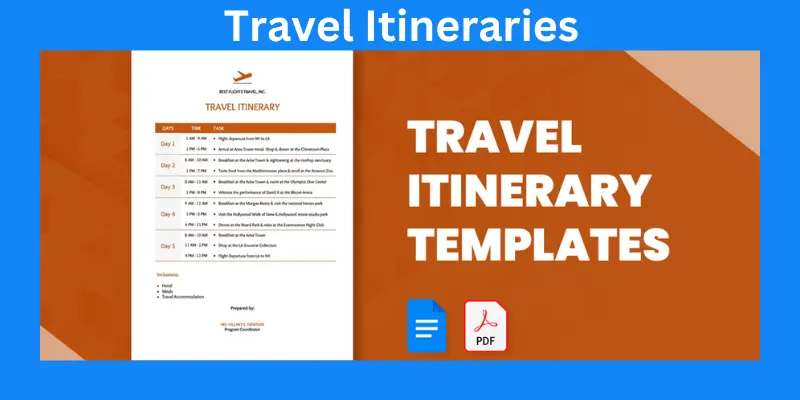
Whether you’re planning a weekend getaway, a multi-country adventure, or a business trip, a travel itinerary ensures you make the most of every moment. It minimizes confusion, reduces last-minute hassles, and allows you to enjoy your trip with peace of mind.
In this comprehensive guide, you will learn everything about travel itineraries — what they are, how to create them, different types, tools to use, expert tips, and common mistakes to avoid.
What is a Travel Itinerary?
A travel itinerary is a detailed plan of your trip that outlines:
- Destinations you will visit
- Dates and times of travel
- Accommodation details
- Activities and attractions
- Transportation arrangements
- Budget estimates
It acts as a blueprint for your journey, ensuring everything is organized in advance.
How Travel Itineraries Work
Travel itineraries work as a structured roadmap for your journey.
Process:
- Planning destinations and dates
- Booking transport and accommodation
- Scheduling activities
- Managing time and budget
- Adjusting plans during travel
They ensure smooth coordination and better travel experiences.
Why Travel Itineraries Are Important
1. Better Time Management
A structured itinerary helps you allocate time effectively to each activity, ensuring you don’t miss important attractions.
2. Cost Control
Planning in advance allows you to compare prices, find deals, and avoid unnecessary expenses.
3. Stress Reduction
Knowing what to do and where to go reduces anxiety during travel.
4. Maximizing Experience
You can explore more places and experiences within limited time.
5. Emergency Preparedness
Having all details documented helps in case of unexpected situations.
Types of Travel Itineraries
1. Leisure Travel Itinerary
Focused on relaxation and sightseeing. Includes tourist attractions, restaurants, and free time.
2. Business Travel Itinerary
Includes meeting schedules, conference timings, and transportation details.
3. Adventure Travel Itinerary
Designed for activities like hiking, trekking, or extreme sports.
4. Family Travel Itinerary
Includes kid-friendly activities, rest periods, and flexible plans.
5. Solo Travel Itinerary
Focuses on safety, flexibility, and personal exploration.
6. Multi-Destination Itinerary
Covers multiple cities or countries in one trip.
Step-by-Step Guide to Creating a Travel Itinerary
Step 1: Define Your Travel Goals
Ask yourself:
- What is the purpose of your trip?
- Relaxation, adventure, cultural exploration, or business?
Step 2: Choose Your Destination
Research:
- Weather conditions
- Local events
- Safety
- Travel restrictions
Step 3: Set Your Travel Dates
Consider:
- Peak vs off-season
- Holiday periods
- Work schedule
Step 4: Budget Planning
Include:
- Flights
- Accommodation
- Food
- Activities
- Transportation
Step 5: Book Transportation
- Flights or trains
- Local transport options
- Airport transfers
Step 6: Reserve Accommodation
Choose based on:
- Location
- Budget
- Amenities
- Reviews
Step 7: Plan Daily Activities
Organize your days:
- Morning: Sightseeing
- Afternoon: Exploration
- Evening: Relaxation
Step 8: Add Flexibility
Avoid overpacking your schedule. Leave room for spontaneous activities.
Step 9: Keep Important Documents
Include:
- Passport
- Tickets
- Reservations
- Insurance
Step 10: Final Review
Double-check:
- Bookings
- Timings
- Contacts
Sample Travel Itinerary (3-Day City Trip)
Day 1: Arrival & Exploration
- Arrival at destination
- Hotel check-in
- Visit nearby attractions
- Dinner at a local restaurant
Day 2: Full-Day Sightseeing
- Morning: Major landmarks
- Afternoon: Museums or parks
- Evening: Shopping or cultural shows
Day 3: Relaxation & Departure
- Breakfast
- Last-minute shopping
- Check-out and departure
Best Tools for Creating Travel Itineraries
1. Google Docs & Sheets
Easy to customize and share.
2. Travel Apps
Apps like:
- TripIt
- Google Travel
- Roadtrippers
3. Printable Templates
Useful for offline access.
4. AI Travel Planners
Modern tools that generate itineraries automatically.
Expert Tips for Perfect Travel Itineraries
1. Don’t Over-Schedule
Leave time for rest and unexpected discoveries.
2. Group Nearby Attractions
Save time and transportation costs.
3. Check Opening Hours
Avoid disappointment by verifying timings.
4. Prioritize Must-See Places
Visit key attractions first.
5. Use Maps
Plan routes efficiently.
6. Backup Plans
Prepare alternatives in case of cancellations.
Common Mistakes to Avoid
1. Overpacking the Schedule
Trying to do too much leads to exhaustion.
2. Ignoring Travel Time
Underestimating distances can disrupt plans.
3. Not Considering Weather
Weather can impact activities.
4. Lack of Flexibility
Rigid plans reduce enjoyment.
5. Skipping Research
Missing important details can cause issues.
Travel Itineraries for Different Budgets
Budget Travel
- Use public transport
- Stay in hostels
- Eat local food
Mid-Range Travel
- Mix of hotels and Airbnb
- Guided tours
- Comfortable transport
Luxury Travel
- Premium hotels
- Private tours
- Fine dining

Digital vs Manual Travel Itineraries
| Feature | Digital Itineraries (Apps, Mobile, Cloud) | Manual Itineraries (Printed / Handwritten) |
|---|---|---|
| Accessibility | Accessible anytime via phone, tablet, or laptop | Accessible without devices or internet |
| Ease of Updates | Easy to edit, update, and sync instantly | Difficult to modify once printed or written |
| Convenience | Stores all details in one place (tickets, maps, bookings) | Requires carrying multiple papers |
| Offline Use | Some apps offer offline mode, but may require setup | Always works offline |
| Sharing | Easy to share with others instantly | Hard to share, requires copies |
| Navigation | Integrated with maps and GPS for real-time directions | No navigation support |
| Reliability | Depends on battery, device, or app functionality | No dependency on technology |
| Security | Risk of hacking or data loss if not backed up | Risk of losing physical documents |
| Organization | Highly organized with search and categorization features | Can become messy or hard to manage |
| Cost | Mostly free or low-cost apps | Printing and stationery costs |
| Customization | Easily customizable with templates and tools | Limited customization |
| Environment Impact | Eco-friendly (paperless) | Uses paper (less eco-friendly) |
How Travel Itineraries Improve Your Travel Experience
A well-planned itinerary:
- Saves time
- Reduces stress
- Enhances enjoyment
- Improves organization
- Helps manage budget
It allows travelers to focus on experiences rather than logistics.
Future of Travel Itineraries
With advancements in technology:
- AI-generated itineraries are becoming popular
- Real-time updates improve flexibility
- Personalized travel plans based on preferences
- Integration with smart devices
Travel planning is becoming faster and more efficient than ever.
Travel Itinerary Templates (Free Download)
Travel itinerary templates simplify planning by giving you a ready-made structure. Instead of starting from scratch, you can simply fill in your details.
Common types of templates:
- Daily planner template (hour-by-hour schedule)
- Weekly travel planner
- Business trip itinerary
- Vacation itinerary checklist
What to include in a template:
- Travel dates and destination
- Flight/train details
- Hotel reservations
- Activities and timings
- Emergency contacts
How to Plan Multi-Country Travel Itineraries
Planning a trip across multiple countries requires careful coordination.
Steps:
- Choose countries based on proximity
- Check visa requirements for each destination
- Plan logical travel routes
- Allocate enough days per country
- Book inter-country transportation early
Tips:
- Use regional transport passes
- Avoid rushing between destinations
- Consider time zone differences
Best Travel Apps for Itinerary Planning
Modern apps make itinerary planning easier and smarter.
Top apps:
- TripIt (automatic itinerary organization)
- Google Travel (centralized trip management)
- Roadtrippers (route planning)
- Sygic Travel (detailed city guides)
Benefits:
- Real-time updates
- Easy sharing
- Offline access
Time Management Tips for Travelers
Efficient time management helps maximize your trip.
Key tips:
- Start your day early
- Prioritize top attractions
- Avoid peak hours
- Group nearby places together
- Keep buffer time between activities
How to Plan a Travel Itinerary on a Budget
Traveling doesn’t have to be expensive.
Budget planning tips:
- Book flights early
- Use budget airlines
- Stay in hostels or budget hotels
- Use public transportation
- Eat local food
Pro tip: Track expenses daily to stay within budget.
Customizing Itineraries for Solo Travelers
Solo travel offers freedom but requires extra planning.
Key considerations:
- Safety and emergency contacts
- Flexible schedule
- Budget control
- Social activities (tours, meetups)
Family-Friendly Travel Planning Guide
Traveling with family requires balance and flexibility.
Tips:
- Choose kid-friendly destinations
- Include rest time
- Pack essentials for children
- Avoid over-scheduling
Weekend Getaway Itinerary Ideas
Short trips require efficient planning.
Example (2 days):
- Day 1: Arrival, local sightseeing, dinner
- Day 2: Key attractions, shopping, return
Focus on fewer locations to avoid exhaustion.
Travel Itinerary Examples for Popular Destinations
Example: 5-Day Paris Trip
- Day 1: Arrival + city walk
- Day 2: Eiffel Tower + Louvre
- Day 3: Versailles
- Day 4: Shopping + cafes
- Day 5: Departure
How to Use Google Maps for Trip Planning
Google Maps is a powerful planning tool.
How to use:
- Save locations
- Create custom maps
- Check travel time
- Use offline maps
Travel Packing Checklist Integration with Itineraries
Link your packing list with your itinerary.
Example:
- Beach trip → swimwear, sunscreen
- Hiking trip → boots, gear
This ensures you pack only what’s necessary.
Travel Safety Planning within Itineraries
Safety should always be part of your plan.
Include:
- Emergency contacts
- Local embassy details
- Travel insurance
- Copies of documents
Seasonal Travel Itinerary Planning Tips
Different seasons require different plans.
Examples:
- Summer → beaches, outdoor activities
- Winter → skiing, indoor attractions
Always check weather forecasts before finalizing plans.
Sustainable Travel Itinerary Planning
Eco-friendly travel is becoming important.
Tips:
- Use public transport
- Avoid plastic
- Support local businesses
- Choose eco-friendly accommodations
Digital Nomad Itinerary Planning Guide
Digital nomads need flexible and long-term planning.
Key factors:
- Internet availability
- Co-working spaces
- Cost of living
- Visa policies
FAQs on Travel Itineraries
1. What is a travel itinerary?
A travel itinerary is a detailed plan of your trip, including destinations, schedules, and bookings.
2. Why is an itinerary important?
It helps organize your trip, save time, and reduce stress.
3. How detailed should an itinerary be?
It should be detailed enough to guide you but flexible for changes.
4. Can I change my itinerary during travel?
Yes, flexibility is important for a better experience.
5. Are travel apps necessary for itineraries?
Not necessary, but they make planning easier and more efficient.
6. How far in advance should I plan my itinerary?
Ideally 1–3 months before your trip, depending on destination and season.
Summary
Travel itineraries are essential for a smooth and enjoyable journey. They help you organize your trip, manage time and budget, and reduce stress. By following a structured approach and using modern tools, anyone can create an effective itinerary tailored to their needs.
From simple weekend plans to complex international trips, a good itinerary ensures that every moment of your journey is meaningful and well-spent.

Conclusion
Traveling without a plan can lead to missed opportunities and unnecessary stress. A well-crafted travel itinerary transforms your trip into a seamless and memorable experience. It empowers you to explore confidently, manage your resources wisely, and enjoy every aspect of your journey.
Whether you are a beginner or an experienced traveler, mastering the art of itinerary planning is one of the most valuable skills you can develop. Start planning smarter today, and turn every trip into an unforgettable adventure.





- Be Respectful
- Stay Relevant
- Stay Positive
- True Feedback
- Encourage Discussion
- Avoid Spamming
- No Fake News
- Don't Copy-Paste
- No Personal Attacks
- Be Respectful
- Stay Relevant
- Stay Positive
- True Feedback
- Encourage Discussion
- Avoid Spamming
- No Fake News
- Don't Copy-Paste
- No Personal Attacks
