Air Travel News: Latest Trends, Updates, and Industry Insights
Published: 22 Mar 2026
Introduction
Air travel continues to be one of the most dynamic and rapidly evolving industries in the world. From technological innovations to changing airline policies and passenger expectations, the aviation sector is constantly adapting to global trends. Air travel news plays a crucial role in keeping travelers, businesses, and industry professionals informed about these developments. Travel news provides vital and important information.

In 2026, the air travel industry is experiencing significant transformation driven by digitalization, sustainability goals, and post-pandemic recovery strategies. Airlines are focusing on improving passenger experiences, reducing operational costs, and adopting eco-friendly practices. Meanwhile, airports are becoming smarter, and governments are revising aviation regulations to support growth and safety.
This article provides a comprehensive overview of air travel news, including the latest trends, airline updates, airport innovations, policy changes, and future predictions shaping the aviation industry.
What is Air Travel News?
Air travel news refers to updates, reports, and insights related to the aviation industry. It includes information about airlines, airports, aviation technology, travel policies, safety regulations, and passenger experiences.
This type of news is essential for:
- Travelers planning trips
- Aviation professionals and businesses
- Tourism stakeholders
- Frequent flyers and digital nomads
Air travel news covers both global and regional developments, helping readers stay informed about changes that may affect their travel plans.
Latest Trends in Air Travel Industry
1. Rise of Sustainable Aviation
Sustainability has become a top priority in the aviation sector. Airlines are investing heavily in reducing carbon emissions through:
- Sustainable aviation fuels (SAF)
- Fuel-efficient aircraft
- Carbon offset programs
Many airlines are setting ambitious goals to achieve net-zero emissions by 2050. This shift is influencing ticket pricing, operations, and passenger awareness.
2. Digital Transformation and AI Integration
Artificial intelligence and digital tools are revolutionizing air travel. Key developments include:
- AI-powered customer service chatbots
- Predictive maintenance for aircraft
- Personalized travel recommendations
Airlines are using big data to enhance efficiency and improve passenger experiences, making travel smoother and more convenient.
3. Contactless Travel Experience
Post-pandemic travel has accelerated the adoption of contactless technologies. These include:
- Mobile boarding passes
- Biometric check-ins
- Touchless security screening
Passengers now expect faster and safer airport processes, reducing physical interactions.
4. Growth of Low-Cost Carriers
Budget airlines are expanding rapidly, offering affordable travel options to a broader audience. These carriers are:
- Introducing new routes
- Offering competitive pricing
- Targeting emerging markets
This trend is making air travel more accessible globally.
Airline Industry Updates
Fleet Modernization
Airlines are upgrading their fleets with modern aircraft that are more fuel-efficient and environmentally friendly. New aircraft models provide:
- Better fuel economy
- Enhanced passenger comfort
- Reduced noise pollution
Route Expansion
Airlines are expanding their networks to connect underserved destinations. This includes:
- Direct international routes
- Regional connectivity
- Seasonal travel routes
These expansions are boosting tourism and economic growth.
Improved Passenger Experience
Airlines are focusing on customer satisfaction by offering:
- Better in-flight entertainment
- Comfortable seating options
- Enhanced meal services
Premium economy classes are also becoming more popular among travelers seeking affordability and comfort.
Airport Innovations and Smart Airports
Airports are evolving into smart hubs with advanced technologies designed to improve efficiency and passenger convenience.
Smart Security Systems
Modern airports use AI-driven security systems to:
- Detect threats quickly
- Reduce wait times
- Enhance passenger safety
Biometric Identification
Biometric systems are replacing traditional identification methods. These include:
- Facial recognition
- Fingerprint scanning
- Digital identity verification
This technology speeds up boarding and security checks.
Automated Services
Airports now offer automated solutions such as:
- Self-check-in kiosks
- Automated baggage handling
- Digital navigation systems
These innovations reduce congestion and improve the travel experience.
Impact of Global Events on Air Travel
Air travel is highly sensitive to global events such as:
- Economic fluctuations
- Political developments
- Health crises
- Natural disasters
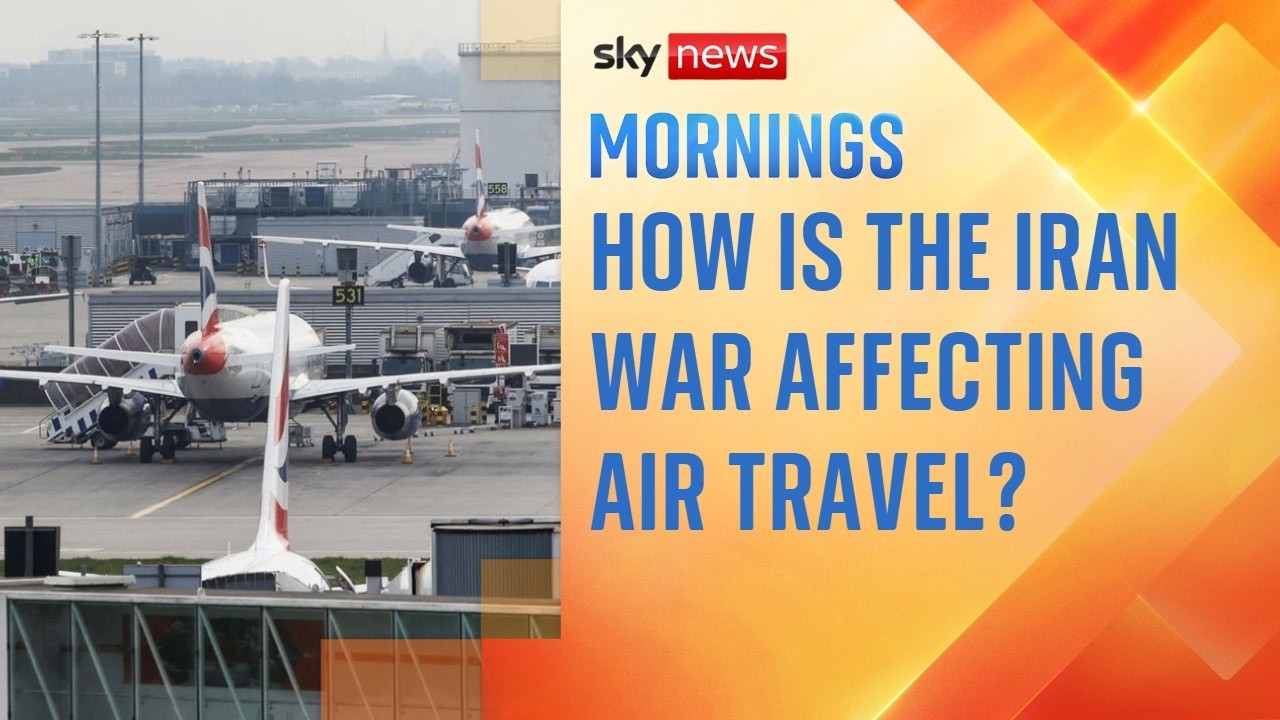
For example, fuel price changes directly impact ticket costs, while geopolitical tensions can affect flight routes and airspace availability.
Aviation Safety and Regulations
Safety remains a top priority in the aviation industry. Governments and aviation authorities continuously update regulations to ensure passenger protection.
Key Developments Include:
- Stricter maintenance standards
- Enhanced pilot training programs
- Advanced air traffic control systems
International cooperation plays a vital role in maintaining global aviation safety standards.
Technological Advancements in Aviation
Electric and Hybrid Aircraft
The future of aviation includes electric and hybrid aircraft designed to reduce environmental impact. While still in development, these aircraft promise:
- Lower emissions
- Reduced operating costs
- Sustainable travel options
Supersonic Travel Revival
Supersonic travel is making a comeback with new aircraft designs aimed at reducing travel time significantly. These developments could revolutionize long-haul flights.
In-Flight Connectivity
Passengers now expect seamless internet access during flights. Airlines are investing in:
- High-speed Wi-Fi
- Streaming services
- Real-time communication
Travel Policies and Visa Updates
Air travel news often includes updates on travel policies and visa regulations. In 2026, several trends are emerging:
Simplified Visa Processes
Many countries are introducing:
- E-visas
- Visa-on-arrival options
- Digital travel authorizations
Health and Safety Requirements
Although restrictions have eased, some countries still maintain:
- Vaccination requirements
- Health declarations
- Travel insurance mandates
Challenges Facing the Air Travel Industry
Despite growth, the aviation industry faces several challenges:
Rising Fuel Costs
Fuel remains one of the biggest expenses for airlines, affecting ticket prices and profitability.
Staff Shortages
Airlines and airports are dealing with workforce shortages, leading to delays and operational issues.
Environmental Concerns
Pressure to reduce carbon emissions is forcing airlines to invest heavily in sustainable solutions.
Air Traffic Congestion
Increasing demand for air travel is causing congestion in busy airspaces and airports.
Future of Air Travel
The future of air travel looks promising with continuous innovation and expansion. Key predictions include:
Increased Automation
Automation will play a larger role in:
- Flight operations
- Airport management
- Customer service
Personalized Travel Experiences
AI will enable airlines to offer tailored services based on passenger preferences.
Expansion of Emerging Markets
Developing countries will see significant growth in air travel demand, opening new opportunities for airlines.
Space Tourism
Although still in its early stages, space tourism is gaining attention and could become a part of the broader travel industry in the future.
How Air Travel News Works
Air travel news is generated through a combination of sources, including:
- Airline announcements
- Government aviation authorities
- Airport management reports
- Industry research organizations
- Media and journalism platforms
Journalists and analysts gather, verify, and publish information to keep the public informed about the latest developments in aviation.
Airline Loyalty Programs and Frequent Flyer Miles
Airline loyalty programs are designed to reward frequent travelers with points or miles that can be redeemed for flights, upgrades, and other benefits. These programs are offered by major airlines worldwide and are a key part of customer retention strategies.
Frequent flyer miles are earned based on distance traveled, ticket price, or airline partnerships. Travelers can use these miles for:
- Free or discounted flights
- Seat upgrades (economy to business or first class)
- Extra baggage allowance
- Airport lounge access
Elite status tiers provide additional perks such as priority boarding, fast-track security, and dedicated customer service. Understanding how to maximize miles through credit cards, airline alliances, and promotions can significantly reduce travel costs.
Business Class vs Economy Class Comparison
Choosing between business class and economy class depends on budget, comfort needs, and travel duration.
Economy Class:
- Affordable ticket prices
- Standard seating with limited legroom
- Basic in-flight services
- Suitable for short and budget trips
Business Class:
- Spacious seats that often convert into beds
- Premium dining and beverages
- Priority check-in and boarding
- Access to airport lounges
While business class offers luxury and convenience, economy class remains the preferred choice for budget-conscious travelers. Many airlines now offer premium economy as a middle-ground option.
Airport Lounge Access Guide
Airport lounges provide a comfortable space for travelers to relax before flights. These lounges offer amenities such as:
- Complimentary food and beverages
- Wi-Fi and charging stations
- Quiet workspaces
- Shower facilities
You can access lounges through:
- Business or first-class tickets
- Airline loyalty program status
- Credit cards with lounge benefits
- Paid lounge memberships
Lounge access enhances the travel experience, especially during long layovers or delays.
Flight Delay Compensation Rules
Flight delays can disrupt travel plans, but passengers may be eligible for compensation depending on regulations and airline policies.
Key factors include:
- Length of delay
- Reason for delay (weather, technical issues, etc.)
- Departure and arrival locations
In some regions, passengers can receive:
- Monetary compensation
- Meal vouchers
- Hotel accommodations for overnight delays
It’s important to check airline policies and regional aviation laws before filing a claim.
Best Airlines in the World (Latest Rankings)
Airline rankings are based on service quality, safety, comfort, and customer satisfaction. Leading airlines are known for:
- Excellent in-flight services
- Modern aircraft fleets
- High safety standards
- Strong global connectivity
Top airlines consistently invest in innovation and customer experience to maintain their rankings. These rankings help travelers choose reliable and comfortable airlines.
Aviation Industry Job Opportunities
The aviation industry offers diverse career opportunities across various sectors. Popular roles include:
- Pilots and co-pilots
- Cabin crew (flight attendants)
- Air traffic controllers
- Aircraft maintenance engineers
- Airport management staff
With the growth of global travel, demand for skilled professionals continues to rise. Training, certifications, and experience are essential for most aviation careers.
Air Cargo and Logistics Trends
Air cargo plays a crucial role in global trade, enabling fast transportation of goods across countries. Recent trends include:
- Growth in e-commerce shipments
- Increased demand for express delivery
- Use of advanced tracking systems
- Expansion of cargo fleets
Air cargo is essential for transporting perishable goods, medical supplies, and high-value items, making it a vital part of the aviation industry.
Future of Air Travel News
The future of air travel news will be shaped by technology and real-time data. Key developments include:
- AI-driven news reporting
- Personalized travel updates
- Real-time flight tracking and alerts
- Integration with travel apps
Travelers will receive more accurate and timely information, helping them make better decisions.
Budget vs Full-Service Airlines Comparison
Airlines generally fall into two categories: budget and full-service carriers.
Budget Airlines:
- Low ticket prices
- Limited services (paid extras for baggage, meals)
- Focus on short-haul routes
Full-Service Airlines:
- Higher ticket prices
- Inclusive services (meals, baggage, entertainment)
- Better comfort and amenities
Budget airlines are ideal for cost-saving travelers, while full-service airlines offer a more comfortable and premium experience.
Role of Drones in Aviation Industry
Drones are becoming an important part of the aviation ecosystem. They are used for:
- Surveillance and security
- Cargo delivery
- Infrastructure inspection
- Emergency response operations
As drone technology advances, it is expected to integrate more with traditional aviation systems.
Airport Security Tips for Travelers
Airport security is a critical part of air travel. Following these tips can make the process smoother:
- Arrive early to allow time for security checks
- Keep travel documents easily accessible
- Follow baggage rules and restrictions
- Avoid carrying prohibited items
- Wear easy-to-remove footwear for screening
Being prepared helps reduce delays and ensures a stress-free airport experience.
FAQs on Air Travel News
1. Why is air travel news important?
It helps travelers stay informed about flight updates, policies, and industry trends that may affect their journeys.
2. Where can I find reliable air travel news?
You can follow aviation websites, airline announcements, and global news platforms.
3. How often does air travel news change?
Air travel news updates frequently due to the dynamic nature of the aviation industry.
4. Does air travel news affect ticket prices?
Yes, factors like fuel costs, demand, and policies reported in the news can influence ticket prices.
5. What role does technology play in air travel news?
Technology drives innovation in aviation, making it a major focus of air travel news.
6. Can air travel news help in trip planning?
Absolutely, it provides valuable insights into routes, restrictions, and travel trends.
Summary
Air travel news is an essential resource for understanding the ever-changing aviation industry. From technological advancements and sustainability efforts to airline updates and policy changes, staying informed helps travelers make better decisions.
In 2026, the industry is focused on innovation, efficiency, and environmental responsibility. With the rise of smart airports, AI integration, and new travel trends, the future of air travel is more connected and passenger-friendly than ever before.
Conclusion
The aviation industry is undergoing a major transformation, and air travel news serves as a vital link between these developments and the public. Whether you are a frequent flyer, a travel enthusiast, or an industry professional, staying updated with air travel news ensures you are prepared for changes and opportunities in global travel.
As the industry continues to evolve, air travel news will remain a key source of information, shaping how people travel and experience the world. The future promises faster, safer, and more sustainable air travel, making it an exciting time for aviation.






- Be Respectful
- Stay Relevant
- Stay Positive
- True Feedback
- Encourage Discussion
- Avoid Spamming
- No Fake News
- Don't Copy-Paste
- No Personal Attacks
- Be Respectful
- Stay Relevant
- Stay Positive
- True Feedback
- Encourage Discussion
- Avoid Spamming
- No Fake News
- Don't Copy-Paste
- No Personal Attacks
