25 Authentic East Indian Cuisine Recipes You Can Easily Make at Home (2026 Guide)
Published: 02 Aug 2026
East Indian cuisine recipes represent one of India’s richest culinary traditions, combining aromatic spices, fresh vegetables, seafood, rice, lentils, and sweets into meals that are both comforting and flavorful. The eastern region of India includes West Bengal, Odisha, Bihar, Jharkhand, and the Seven Sister states of Northeast India. Every state contributes unique cooking techniques, seasonal ingredients, and traditional recipes that have been passed down through generations. To know about western recipes explore the article West Indian Cuisine Recipes .
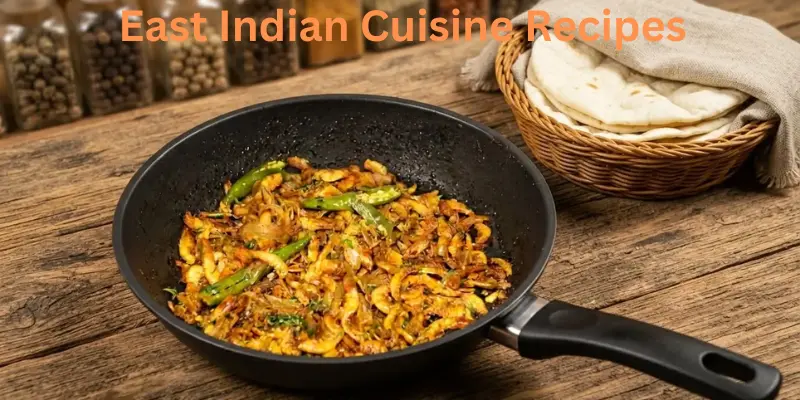
Unlike many other regional Indian cuisines, East Indian food often emphasizes balanced flavors instead of excessive heat. Mustard oil, panch phoron (five-spice blend), poppy seeds, coconut, bamboo shoots, fermented ingredients, and freshwater fish play important roles in everyday cooking. Festivals, family gatherings, and religious celebrations are closely connected with traditional dishes that reflect centuries of culinary heritage. To know about western cuisine also read the article West Indian Cuisine.
Many authentic East Indian cuisine recipes are surprisingly easy to prepare at home. With readily available ingredients and simple cooking methods, home cooks can recreate restaurant-quality meals while enjoying genuine regional flavors. Whether you enjoy vegetarian dishes, seafood specialties, meat curries, or traditional desserts, East Indian cuisine offers something for every palate.
In this guide, you’ll discover 25 authentic East Indian cuisine recipes, essential ingredients, cooking techniques, and practical tips for preparing delicious meals in your own kitchen. The article South Indian Cuisine provides lot knowledge regarding many other dishes.
What Makes East Indian Cuisine Recipes Unique?
East Indian cuisine is shaped by geography, climate, agriculture, and cultural traditions. Rivers, fertile plains, forests, and coastal regions provide abundant fresh ingredients that define everyday cooking.
Several characteristics distinguish East Indian cuisine recipes from other regional Indian foods:
- Extensive use of mustard oil for cooking.
- Panch phoron seasoning in many vegetable dishes.
- Freshwater fish and seafood recipes.
- Rice served as the primary staple.
- Mild to medium spice levels.
- Fresh herbs and seasonal vegetables.
- Coconut in coastal recipes.
- Fermented foods in Northeastern cuisine.
- Traditional sweets made with milk and jaggery.
Meals focus on preserving natural flavors rather than overpowering ingredients with heavy spices.
Essential Ingredients Used in Authentic East Indian Cuisine Recipes
Learning about staple ingredients helps recreate authentic flavors at home.
Rice
Rice forms the foundation of nearly every meal. Different varieties are used depending on the recipe, from fragrant basmati to short-grain local rice.
Mustard Oil
Its sharp aroma provides a distinctive taste found in Bengali and Odia cooking.
Panch Phoron
This famous five-spice blend usually contains:
- Fenugreek
- Nigella seeds
- Cumin
- Fennel
- Mustard seeds
The spices are tempered in hot oil before vegetables or lentils are added.
Fresh Fish
Hilsa, Rohu, Catla, prawns, and other freshwater fish are staples in many East Indian households.
Lentils
Moong dal, masoor dal, chana dal, and urad dal appear regularly in traditional meals.
Mustard Paste
Ground mustard seeds create rich gravies with a distinctive pungent flavor.
Coconut
Fresh coconut and coconut milk are common in Odisha and Northeastern recipes.
Seasonal Vegetables
Pumpkin, bottle gourd, eggplant, potatoes, spinach, colocasia, jackfruit, and leafy greens are widely used.
Fresh Herbs
Coriander leaves, curry leaves, mint, and green chilies enhance freshness without overwhelming dishes.
Health Benefits of East Indian Cuisine Recipes
Many traditional East Indian dishes naturally fit into a healthy eating pattern because they rely on whole ingredients and balanced cooking methods.
Some nutritional advantages include:
- High fiber from vegetables and legumes.
- Lean protein from fish and lentils.
- Healthy fats from mustard oil in moderation.
- Antioxidants from turmeric, ginger, and garlic.
- Essential vitamins from seasonal produce.
- Calcium from dairy-based sweets and yogurt.
- Omega-3 fatty acids from freshwater fish.
Many recipes also involve steaming, boiling, or light sautéing instead of deep frying.
Traditional Cooking Methods Used Across Eastern India
Authentic East Indian cuisine recipes rely on simple yet effective cooking techniques.
Common methods include:
- Steaming
- Slow simmering
- Tempering spices
- Clay pot cooking
- Banana leaf steaming
- Wood-fire cooking in villages
- Open-pot boiling
- Stone grinding spice pastes
These traditional techniques preserve flavor while maintaining the nutritional value of ingredients.
1. Bengali Shorshe Ilish (Hilsa Fish in Mustard Sauce)
Shorshe Ilish is considered one of Bengal’s most iconic dishes. Fresh Hilsa fish is cooked in a creamy mustard sauce that highlights the fish’s delicate texture.
Ingredients
- Hilsa fish pieces
- Yellow mustard seeds
- Black mustard seeds
- Green chilies
- Mustard oil
- Turmeric
- Salt
Preparation
The mustard seeds are soaked and ground into a smooth paste. Fish pieces are lightly seasoned before being gently cooked in mustard sauce with green chilies and mustard oil.
Best Served With
Steamed white rice.
2. Bengali Cholar Dal
Cholar Dal is a festive Bengal-style lentil dish prepared with Bengal gram and aromatic spices.
Ingredients
- Chana dal
- Coconut slices
- Bay leaf
- Cinnamon
- Cardamom
- Cloves
- Ginger
- Turmeric
- Ghee
Preparation
Cooked lentils are simmered with fragrant whole spices before fried coconut slices and ghee add richness.
Best Served With
Luchi, pulao, or steamed rice.
3. Aloo Posto
Aloo Posto is among the simplest East Indian cuisine recipes and remains a favorite comfort food across West Bengal.
Ingredients
- Potatoes
- Poppy seeds
- Green chilies
- Mustard oil
- Nigella seeds
- Salt
Preparation
Poppy seeds are soaked and blended into a creamy paste before being cooked with potatoes and tempered spices.
Best Served With
Hot steamed rice.
4. Odisha Dalma
Dalma is Odisha’s signature lentil and vegetable dish. It combines protein-rich lentils with seasonal vegetables into a wholesome one-pot meal.
Ingredients
- Toor dal
- Pumpkin
- Raw banana
- Papaya
- Potato
- Eggplant
- Cumin
- Ginger
- Turmeric
- Ghee
Preparation
Lentils and vegetables are cooked together until tender before cumin and ghee enhance the flavor.
Best Served With
Rice and papad.
5. Machha Besara
Machha Besara is a famous Odia fish curry prepared using mustard paste.
Ingredients
- Rohu fish
- Mustard paste
- Tomato
- Garlic
- Turmeric
- Green chilies
- Mustard oil
Preparation
Fish is lightly fried before simmering in mustard gravy until perfectly cooked.
Best Served With
Plain steamed rice.
6. Santula
Santula is a healthy vegetable dish from Odisha that demonstrates how nutritious East Indian cuisine recipes can be.
Ingredients
- Potato
- Raw papaya
- Eggplant
- Drumsticks
- Tomato
- Garlic
- Mustard seeds
- Turmeric
Preparation
Vegetables are lightly cooked with minimal spices to preserve their natural flavor and nutritional value.
Best Served With
Rice and dal.
7. Ghugni
Ghugni is a popular street food and breakfast dish made using dried yellow peas.
Ingredients
- Dried yellow peas
- Onion
- Tomato
- Ginger
- Garlic
- Cumin
- Coriander powder
- Green chilies
Preparation
Cooked peas are simmered in a mildly spiced gravy until thick and flavorful.
Best Served With
Bread, puffed rice, or chopped onions with lemon.
8. Litti Chokha
Litti Chokha is Bihar’s most famous traditional dish and has become popular across India.
Ingredients
For Litti
- Whole wheat flour
- Roasted gram flour (Sattu)
- Mustard oil
- Ajwain
- Nigella seeds
- Lemon juice
For Chokha
- Roasted eggplant
- Tomato
- Boiled potatoes
- Garlic
- Onion
- Green chilies
- Mustard oil
Preparation
Stuffed wheat balls are baked until golden before serving with smoky mashed vegetables.
Best Served With
Pickle, yogurt, and melted ghee.
9. Handia Rice Fermented Beverage (Traditional Rice Preparation)
Handia is a traditional fermented rice preparation widely known in Jharkhand and tribal communities across Eastern India. While it is commonly consumed as a fermented beverage, the preparation method reflects centuries of indigenous culinary knowledge and showcases the region’s use of natural fermentation.
Ingredients
- Cooked rice
- Traditional fermentation starter (Ranu tablets)
- Clean earthen pot
Preparation
Freshly cooked rice is cooled before mixing with the natural starter culture. The mixture is stored in an earthen pot for several days, allowing natural fermentation to develop its distinctive flavor.
Best Served With
Traditional tribal meals and festive gatherings.
10. Dhuska
Dhuska is one of the most loved breakfast recipes from Jharkhand. These soft, deep-fried rice and lentil breads are crispy outside and fluffy inside.
Ingredients
- Rice
- Chana dal
- Urad dal
- Green chilies
- Ginger
- Salt
- Cooking oil
Preparation
Rice and lentils are soaked overnight and ground into a smooth batter. After slight fermentation, spoonfuls of batter are deep-fried until golden brown.
Best Served With
Spicy potato curry or gram curry.
11. Rugra Mushroom Curry
Rugra mushrooms are a seasonal forest delicacy found in Jharkhand. Their earthy flavor makes this one of the most unique East Indian cuisine recipes.
Ingredients
- Fresh Rugra mushrooms
- Onion
- Tomato
- Garlic
- Ginger
- Turmeric
- Coriander powder
- Mustard oil
Preparation
The mushrooms are thoroughly cleaned and sautéed with onions, tomatoes, and traditional spices until tender and flavorful.
Best Served With
Steamed rice or millet rotis.
12. Bamboo Shoot Curry
Fresh bamboo shoots are an important ingredient throughout Northeast India. This mildly spicy curry offers a distinctive aroma and slightly tangy taste.
Ingredients
- Fresh bamboo shoots
- Potato
- Green chilies
- Garlic
- Ginger
- Mustard oil
- Salt
Preparation
Fresh bamboo shoots are boiled to reduce bitterness before cooking with potatoes and simple seasonings.
Best Served With
Plain rice.
13. Smoked Pork with Bamboo Shoots (Nagaland)
This famous Naga specialty is appreciated for its smoky aroma and rich flavor. It highlights traditional preservation techniques still practiced in many villages.
Ingredients
- Smoked pork
- Fermented bamboo shoots
- Ginger
- Garlic
- Green chilies
- Salt
Preparation
Smoked pork is slowly simmered with bamboo shoots until the meat becomes tender and absorbs the earthy flavors.
Best Served With
Steamed rice.
14. Assamese Masor Tenga
Masor Tenga is one of Assam’s most refreshing fish curries. The light, tangy broth makes it especially popular during warm weather.
Ingredients
- Rohu fish
- Tomato
- Lemon
- Elephant apple (if available)
- Mustard oil
- Turmeric
- Green chilies
Preparation
Fish pieces are lightly fried before simmering in a tangy tomato-based broth with local souring ingredients.
Best Served With
Fresh steamed rice.
15. Assamese Khar
Khar is considered one of Assam’s signature dishes and represents the simplicity of traditional Assamese cooking.
Ingredients
- Raw papaya
- Banana ash filtrate (Khar)
- Lentils (optional)
- Mustard oil
- Salt
Preparation
Vegetables are gently simmered in the alkaline Khar liquid, creating a unique flavor unlike any other Indian dish.
Best Served With
Rice at the beginning of a traditional Assamese meal.
16. Pitha
Pitha refers to a wide variety of traditional rice cakes prepared throughout Eastern India during festivals and celebrations.
Ingredients
- Rice flour
- Coconut
- Jaggery
- Sesame seeds
- Milk (optional)
Preparation
Rice dough is stuffed with coconut and jaggery before steaming, frying, or roasting depending on regional traditions.
Best Served With
Tea or warm milk.
17. Chhena Poda
Chhena Poda is Odisha’s famous baked cheese dessert that has gained popularity across India. It combines caramelized flavors with a soft, creamy texture.
Ingredients
- Fresh chhena (cottage cheese)
- Sugar
- Cardamom
- Semolina
- Cashews
- Raisins
Preparation
Fresh chhena is mixed with sugar and flavorings before baking until the surface develops a rich caramelized crust.
Best Served With
As a dessert after traditional meals.
Popular Spices That Define East Indian Cuisine Recipes
Authentic East Indian cuisine recipes rely on fresh spices rather than excessive heat. Each spice contributes a specific aroma and flavor profile.
Commonly used spices include:
- Mustard seeds
- Panch phoron
- Turmeric
- Cumin
- Coriander
- Black pepper
- Cardamom
- Cinnamon
- Cloves
- Bay leaves
- Nigella seeds
- Fennel seeds
- Fenugreek seeds
Fresh ginger, garlic, and green chilies are also used extensively to enhance taste without overpowering the natural ingredients.
Tips for Cooking Authentic East Indian Cuisine Recipes at Home
Preparing traditional recipes becomes much easier when you follow a few proven techniques.
- Use mustard oil where the recipe recommends it for authentic flavor.
- Grind fresh spice pastes instead of relying only on packaged powders.
- Choose seasonal vegetables whenever possible.
- Cook fish gently to prevent it from breaking apart.
- Soak lentils properly for even cooking.
- Temper whole spices in hot oil before adding other ingredients.
- Avoid overcooking vegetables to preserve texture.
- Serve freshly cooked rice with most traditional meals.
- Adjust chili levels without reducing aromatic spices.
- Use fresh herbs as a finishing touch.
These simple practices help recreate the authentic taste found in homes across Eastern India.
18. Momo (Northeast Indian Style)
Although momos are widely enjoyed across India today, they have deep roots in the Himalayan regions of Northeast India. These steamed dumplings are a popular snack and family favorite.
Ingredients
- All-purpose flour
- Cabbage
- Carrots
- Onion
- Ginger
- Garlic
- Chicken or vegetable filling
- Salt
- Black pepper
Preparation
Prepare a soft dough and fill thin wrappers with seasoned vegetables or minced chicken. Fold the dumplings and steam until tender.
Best Served With
Spicy tomato chutney or chili garlic sauce.
19. Eromba (Manipur)
Eromba is a traditional Manipuri dish made with mashed vegetables and fermented fish. Vegetarian versions are equally popular.
Ingredients
- Boiled potatoes
- Seasonal vegetables
- Fermented fish (optional)
- Green chilies
- Fresh coriander
- Salt
Preparation
Mash the cooked vegetables with chilies and fermented fish until smooth. Garnish with fresh herbs before serving.
Best Served With
Steamed rice.
20. Jadoh (Meghalaya)
Jadoh is one of Meghalaya’s signature rice dishes, traditionally prepared by the Khasi community.
Ingredients
- Rice
- Chicken or pork
- Onion
- Ginger
- Garlic
- Black pepper
- Turmeric
- Bay leaves
Preparation
Cook the meat with aromatic spices before adding rice. Simmer until the rice absorbs the flavorful stock.
Best Served With
Fresh salad and pickle.
21. Chak-Hao Kheer (Manipur Black Rice Pudding)
This unique dessert showcases the fragrant black rice of Manipur, creating one of the most memorable East Indian cuisine recipes for sweet lovers.
Ingredients
- Black rice
- Milk
- Sugar or jaggery
- Cardamom
- Cashews
- Raisins
Preparation
Slowly cook black rice in milk until creamy. Add sweetener, cardamom, and dry fruits before serving.
Best Served With
Festive meals or family celebrations.
22. Rosogolla
Rosogolla is one of the most recognized sweets from Eastern India and remains a symbol of Bengali confectionery.
Ingredients
- Fresh chhena
- Sugar
- Water
- Cardamom (optional)
Preparation
Fresh cottage cheese is kneaded into smooth balls and cooked in light sugar syrup until soft and spongy.
Best Served With
Chilled after meals.
23. Sandesh
Sandesh is another classic Bengali dessert known for its delicate texture and subtle sweetness.
Ingredients
- Fresh chhena
- Sugar
- Cardamom
- Pistachios
Preparation
Fresh chhena is lightly cooked with sugar before shaping into decorative molds.
Best Served With
Tea or festive desserts.
24. Malpua
Malpua is a traditional sweet pancake enjoyed during festivals throughout Bihar, Odisha, and West Bengal.
Ingredients
- Flour
- Milk
- Fennel seeds
- Sugar
- Cardamom
- Ghee
Preparation
Prepare a smooth batter, fry small pancakes until golden, then dip them in sugar syrup.
Best Served With
Rabri or warm milk.
25. Payesh (Bengali Rice Pudding)
Payesh is an essential dessert prepared during birthdays, religious ceremonies, and family celebrations across Bengal.
Ingredients
- Short-grain rice
- Full-fat milk
- Sugar or jaggery
- Bay leaf
- Cardamom
- Cashews
- Raisins
Preparation
Rice is slowly cooked in milk until creamy before adding sweetener and aromatic spices.
Best Served With
Festive lunches and special occasions.
How to Serve Traditional East Indian Cuisine Recipes
A complete East Indian meal is carefully balanced to include grains, protein, vegetables, and dessert. Meals are often served fresh and enjoyed with family.
Popular serving combinations include:
- Steamed rice with Dalma and Santula.
- Shorshe Ilish with plain rice.
- Masor Tenga with fresh steamed rice.
- Litti Chokha with yogurt and pickle.
- Dhuska with spicy potato curry.
- Bamboo Shoot Curry with rice.
- Cholar Dal with Luchi.
- Ghugni with puffed rice.
- Rosogolla or Sandesh after lunch.
- Payesh during festivals and celebrations.
Serving food immediately after cooking helps preserve the authentic aroma and texture of these traditional recipes.
Common Mistakes to Avoid When Preparing East Indian Cuisine Recipes
Many traditional dishes are simple to prepare, but a few common mistakes can affect their authentic taste.
Avoid these errors:
- Overheating mustard oil until it burns.
- Using too much chili powder instead of fresh green chilies.
- Overcooking fish until it breaks apart.
- Skipping freshly ground spice pastes.
- Cooking vegetables until they become mushy.
- Using stale spices.
- Ignoring proper soaking time for lentils.
- Adding excessive garam masala.
- Rushing slow-cooked recipes.
- Serving dishes long after preparation.
Paying attention to these details helps preserve the authentic flavors that define East Indian cuisine.
Frequently Asked Questions About East Indian Cuisine Recipes
Is East Indian cuisine very spicy?
No. Most traditional East Indian cuisine recipes focus on balanced flavors rather than intense heat. Fresh spices, mustard, herbs, and natural ingredients create depth without making dishes excessively spicy.
Which oil is commonly used in East Indian cooking?
Mustard oil is the preferred cooking oil in many recipes from West Bengal, Odisha, and Bihar because it adds a distinctive aroma and flavor.
Are there vegetarian East Indian cuisine recipes?
Yes. Popular vegetarian dishes include Dalma, Santula, Aloo Posto, Ghugni, Cholar Dal, Pitha, and many seasonal vegetable preparations.
Which rice is best for East Indian recipes?
Steamed short-grain rice is traditionally served with everyday meals, while fragrant rice varieties are often reserved for festive dishes.
Can beginners prepare these recipes at home?
Absolutely. Many East Indian cuisine recipes use simple cooking techniques and everyday ingredients, making them suitable for beginners as well as experienced home cooks.
Conclusion
East Indian cuisine recipes offer an incredible combination of tradition, nutrition, and unforgettable flavors. From the mustard-rich fish curries of West Bengal and wholesome lentil dishes of Odisha to the rustic specialties of Bihar, Jharkhand, and the distinctive foods of Northeast India, every recipe reflects the culture and heritage of its region.
These 25 authentic recipes demonstrate that traditional East Indian cooking can be recreated in any home kitchen with the right ingredients and simple techniques. Whether you are preparing comforting vegetarian meals, flavorful seafood dishes, festive sweets, or regional specialties, each recipe provides an opportunity to experience one of India’s most diverse culinary traditions.
By using fresh ingredients, traditional cooking methods, and authentic seasonings, you can enjoy the true taste of Eastern India while expanding your collection of homemade regional dishes. Whether cooking for your family or exploring Indian cuisine for the first time, these authentic East Indian cuisine recipes will bring rich flavors and timeless traditions to your dining table.





- Be Respectful
- Stay Relevant
- Stay Positive
- True Feedback
- Encourage Discussion
- Avoid Spamming
- No Fake News
- Don't Copy-Paste
- No Personal Attacks
- Be Respectful
- Stay Relevant
- Stay Positive
- True Feedback
- Encourage Discussion
- Avoid Spamming
- No Fake News
- Don't Copy-Paste
- No Personal Attacks
