West Indian Cuisine: Traditional Foods, Regional Specialties & Must-Try Dishes (2026 Guide)
Published: 20 Jul 2026
West Indian cuisine represents one of the world’s most diverse and flavorful culinary traditions, combining indigenous Caribbean ingredients with African, Indian, European, Chinese, and Middle Eastern influences. The term West Indian Cuisine refers to the traditional foods and cooking styles found across the Caribbean islands, including Jamaica, Trinidad and Tobago, Barbados, Guyana, Grenada, Saint Lucia, Antigua, Dominica, and other regions of the West Indies. To get more information regarding local cuisine of North, South, & East explore the articles North Indian Cuisine, South Indian Cuisine, & East Indian Cuisine.
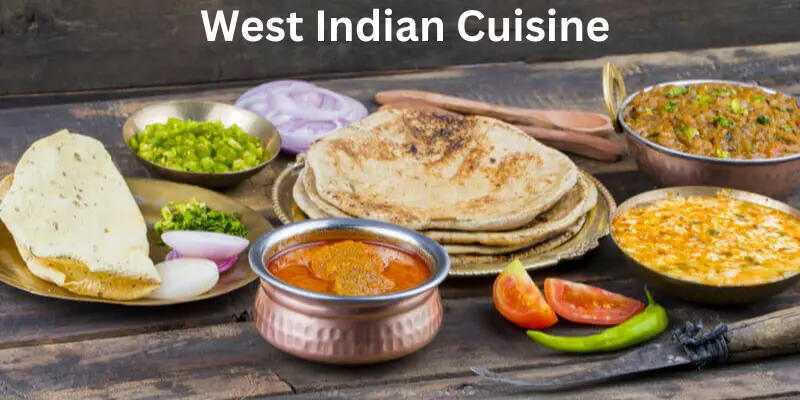
Known for bold spices, tropical ingredients, slow-cooked meals, seafood specialties, and vibrant cultural influences, West Indian food reflects centuries of migration, trade, and historical exchange. Every island has developed its own unique food identity, creating a rich collection of dishes that range from spicy curries and grilled meats to flavorful rice dishes, soups, breads, and desserts.
People searching for traditional West Indian food recipes, best West Indian dishes to try, or popular Caribbean foods from the West Indies often discover a cuisine built around fresh ingredients, aromatic seasonings, and family traditions passed through generations.
West Indian Cuisine is not a single style of cooking. It is a collection of regional cuisines shaped by geography, climate, history, and cultural heritage. Jamaican jerk chicken, Trinidadian doubles, Barbadian flying fish, Guyanese pepperpot, and Caribbean roti are examples of dishes that represent different islands while sharing common elements such as spices, herbs, and locally available ingredients.
The popularity of West Indian food has expanded worldwide, with Caribbean restaurants, food festivals, and home cooks introducing these flavors to international audiences. Today, West Indian cuisine is appreciated for its creativity, cultural significance, and ability to transform simple ingredients into memorable meals.
Understanding West Indian Cuisine and Its Cultural Heritage
The history of West Indian Cuisine is closely connected to the history of the Caribbean itself. The islands were originally inhabited by Indigenous groups such as the Taíno, Kalinago, and Arawak peoples, who developed early cooking methods using local ingredients like cassava, corn, seafood, tropical fruits, and root vegetables.
European colonization introduced new ingredients, livestock, and cooking techniques. Spanish, British, French, and Dutch influences contributed ingredients such as salted cod, sugar, wheat flour, and various preservation methods. Over time, African communities brought cooking traditions that became essential parts of Caribbean food culture, including the use of spices, stewing techniques, and one-pot meals.
Indian influence became especially significant in countries such as Trinidad and Tobago, Guyana, and Suriname due to the arrival of Indian laborers during the 19th century. Indian spices, flatbreads, curries, and vegetarian dishes became deeply integrated into local food traditions.
This cultural blending created the foundation of modern West Indian Cuisine, where a single meal may include African cooking techniques, Indian spices, European ingredients, and Indigenous Caribbean produce.
The role of food in West Indian culture
Food is more than daily nourishment in Caribbean communities. It represents family connections, celebrations, religious traditions, and national identity. Large gatherings often feature traditional dishes prepared slowly and shared among relatives and friends.
Meals during festivals, holidays, weddings, and community events commonly include signature foods that represent local heritage. For example, Jamaicans prepare special meals during celebrations featuring jerk meats, rice dishes, and traditional desserts, while Trinidadians often serve doubles and roti during cultural events.
The preparation of West Indian dishes is frequently a social activity where cooking knowledge is passed from older generations to younger family members. Recipes are often adjusted according to family preferences, making each version unique.
Regional Diversity of West Indian Cuisine
One of the defining characteristics of West Indian Cuisine is regional diversity. Each island has developed distinct flavors based on its history, available ingredients, and cultural influences.
Travelers exploring regional West Indian food specialties will notice significant differences between islands. Jamaican cuisine emphasizes bold spices and smoky flavors, Trinidadian cuisine reflects strong Indian influence, Barbadian food focuses on seafood traditions, and Guyanese cuisine combines Caribbean, Indian, African, and Indigenous elements.
Jamaican cuisine
Jamaica is one of the most internationally recognized representatives of West Indian Cuisine. Jamaican food is famous for intense spices, grilled meats, tropical ingredients, and flavorful sauces.
Jerk cooking is among Jamaica’s most famous culinary contributions. Traditional jerk seasoning combines ingredients such as allspice, Scotch bonnet peppers, thyme, garlic, ginger, and other spices. The mixture is used to marinate chicken, pork, fish, and other proteins before slow cooking over fire or grilling.
Popular Jamaican dishes include jerk chicken, ackee and saltfish, curry goat, oxtail stew, rice and peas, and Jamaican patties. These foods represent the island’s African, Indigenous, and European influences.
Visitors searching for authentic Jamaican food and traditional West Indian dishes often begin with jerk chicken because it represents the bold flavors associated with Caribbean cooking.
Trinidad and Tobago cuisine
Trinidad and Tobago has one of the most diverse food cultures in the Caribbean. Its cuisine reflects significant Indian influence combined with African, Chinese, Middle Eastern, and European traditions.
One of the most famous Trinidadian dishes is doubles, a street food made with two pieces of fried bara bread filled with curried chickpeas, chutneys, and spicy sauces. It is considered one of the best examples of Indian-Caribbean fusion food.
Roti is another important dish in Trinidad and Tobago. Traditional Caribbean roti combines Indian-style flatbread with flavorful fillings such as curry chicken, curry goat, potatoes, and vegetables.
Other popular dishes include pelau, callaloo, bake and shark, and crab and dumplings.
People looking for best Trinidadian West Indian dishes to try often explore street foods because they showcase the island’s unique combination of flavors.
Barbadian cuisine
Barbados, often called the birthplace of flying fish dishes, has a seafood-focused culinary tradition. Bajan cuisine combines British influences with African and Caribbean cooking methods.
Flying fish served with cou-cou is considered the national dish of Barbados. Cou-cou is made from cornmeal and okra, creating a smooth side dish that pairs well with seafood.
Other famous Barbadian foods include fish cakes, pepperpot, macaroni pie, and pudding and souse.
Barbadian cooking highlights fresh seafood, local vegetables, and flavorful seasonings, making it an important part of West Indian Cuisine. To know regarding best cuisine explore the article Best Local Cuisine
Traditional Ingredients Used in West Indian Cuisine
The ingredients used in West Indian Cuisine reflect the tropical environment of the Caribbean islands. Fresh produce, seafood, spices, and locally grown crops form the foundation of many traditional recipes.
Common Caribbean spices and seasonings
Spices play a major role in creating the distinctive flavors of West Indian dishes. Unlike cuisines that rely on one or two dominant seasonings, Caribbean cooking often combines multiple herbs and spices to create complex flavor profiles.
Common seasonings include:
- Allspice
- Scotch bonnet peppers
- Thyme
- Garlic
- Ginger
- Cinnamon
- Nutmeg
- Cloves
- Turmeric
- Cumin
- Coriander
Jerk seasoning, curry blends, and pepper sauces demonstrate how spices are carefully balanced to create depth without overpowering the main ingredients.
Tropical fruits and vegetables
The Caribbean climate supports a wide variety of fruits and vegetables that are central to traditional cooking.
Popular ingredients include:
- Plantains
- Cassava
- Yams
- Sweet potatoes
- Breadfruit
- Coconut
- Mangoes
- Pineapples
- Papayas
- Guavas
Plantains are especially important in West Indian Cuisine and are prepared in different ways, including frying, boiling, and baking. They can be served as a side dish or incorporated into complete meals.
Seafood traditions
Because many Caribbean islands are surrounded by the Atlantic Ocean and Caribbean Sea, seafood plays an essential role in local diets.
Common seafood ingredients include:
- Fish
- Shrimp
- Crab
- Lobster
- Conch
- Salted cod
Traditional seafood recipes often combine fresh ingredients with spicy marinades, coconut-based sauces, and aromatic herbs.
Popular West Indian Dishes You Must Try
The variety of West Indian Cuisine means there are countless dishes worth exploring. While every island has its specialties, several foods have gained international popularity.
Jerk chicken
Jerk chicken is one of the most famous examples of Caribbean cooking. The dish combines spicy seasoning, smoky grilling techniques, and tender meat to create a distinctive flavor.
Authentic jerk chicken is traditionally cooked slowly over wood fire, allowing the spices to penetrate the meat while creating a smoky aroma.
Roti and curry dishes
Caribbean roti represents the influence of Indian immigrants on West Indian Cuisine. It usually consists of flatbread served with flavorful curry fillings.
Popular combinations include:
- Chicken curry with roti
- Goat curry with roti
- Vegetable curry with roti
- Chickpea curry with roti
The dish is popular throughout Trinidad, Guyana, Grenada, and other Caribbean communities.
Rice and peas
Rice and peas is a staple Caribbean side dish commonly prepared with kidney beans or pigeon peas, coconut milk, herbs, and spices.
Although called rice and peas, the dish often uses beans rather than green peas. It is frequently served with jerk chicken, grilled fish, or stewed meats.
Ackee and saltfish
Ackee and saltfish is Jamaica’s national dish. Ackee is a tropical fruit with a soft texture that is cooked with salted cod, onions, peppers, and spices.
The dish represents the creativity of Jamaican cooking by combining local Caribbean ingredients with preservation methods introduced through historical trade.
Pepperpot
Pepperpot is a traditional stew found in several Caribbean regions, especially Guyana. It is usually prepared with meat, cassava-based ingredients, spices, and a special sauce called cassareep.
This slow-cooked dish reflects Indigenous Caribbean cooking traditions combined with later cultural influences.
West Indian Street Food Culture and Popular Snacks
Street food is one of the most exciting parts of West Indian Cuisine because it represents everyday eating traditions, local creativity, and cultural diversity. Across Caribbean islands, street vendors serve affordable, flavorful dishes that combine fresh ingredients, traditional recipes, and bold seasonings.
Travelers searching for best West Indian street food to try while visiting the Caribbean often discover that local snacks provide a deeper understanding of island culture than formal dining experiences. Street foods are commonly enjoyed during festivals, markets, beaches, and community gatherings.
Trinidadian doubles
Doubles is one of the most famous street foods in West Indian Cuisine. Originating in Trinidad and Tobago, this dish consists of two pieces of fried flatbread called bara filled with seasoned chickpeas known as channa.
The dish is usually topped with mango chutney, cucumber, tamarind sauce, coconut, and spicy pepper sauces. The combination of sweet, sour, spicy, and savory flavors makes doubles a unique Caribbean food experience.
Although doubles began as a simple breakfast food, it has become a cultural symbol of Trinidadian cuisine and is now popular worldwide.
Jamaican patties
Jamaican patties are another internationally recognized example of West Indian Cuisine. These golden pastry pockets are filled with seasoned meat, chicken, seafood, or vegetables.
The filling typically includes onions, peppers, herbs, and spices, creating a flavorful snack with a crispy exterior and rich interior. Jamaican patties are commonly eaten as a quick meal or lunch option.
Modern versions include vegetarian and vegan fillings, showing how traditional West Indian foods continue to evolve.
Bake and shark
Bake and shark is a popular Trinidadian street food that combines fried bread called bake with seasoned fried shark meat. It is usually served with vegetables, sauces, and spicy condiments.
The dish is especially associated with beach areas and represents the seafood traditions of Trinidad and Tobago.
Fish cakes
Fish cakes are common throughout Barbados and other Caribbean islands. Made with salted cod, flour, herbs, peppers, and spices, these small fried snacks are enjoyed as appetizers or breakfast foods.
Barbadian fish cakes are a simple example of how West Indian Cuisine transforms basic ingredients into flavorful dishes.
Traditional West Indian Main Courses
The main courses of West Indian Cuisine demonstrate the region’s ability to combine different cultural influences into complete meals. Most traditional dishes focus on slow cooking, layered seasoning, and balanced flavors.
Curry goat
Curry goat is a popular Caribbean dish influenced by Indian cooking traditions. It is especially common in Jamaica, Trinidad and Tobago, Guyana, and other islands with Indian heritage.
The dish uses goat meat cooked slowly with curry spices, onions, garlic, peppers, and herbs until the meat becomes tender.
Authentic curry goat is often served with rice, roti, or peas and rice. The slow cooking process allows the spices to create a rich and aromatic sauce.
People searching for traditional Caribbean curry dishes and authentic West Indian recipes often consider curry goat one of the must-try foods.
Oxtail stew
Oxtail stew is a Jamaican favorite known for its deep flavor and tender texture. The meat is slowly cooked with seasonings, vegetables, beans, and spices.
The long cooking process breaks down the meat, creating a rich sauce that is usually served with rice and peas.
Oxtail represents the importance of slow-cooked comfort foods in West Indian Cuisine.
Pelau
Pelau is a traditional Trinidadian one-pot dish made with rice, meat, pigeon peas, coconut milk, and caramelized sugar.
The preparation method creates a unique color and flavor. Chicken pelau is especially popular and is often prepared during family gatherings and celebrations.
This dish reflects the multicultural identity of Trinidad and Tobago by combining African cooking methods with Caribbean ingredients and Indian influences.
Callaloo
Callaloo is a traditional Caribbean dish made using leafy greens, coconut milk, herbs, and spices. Different islands prepare it differently depending on available ingredients.
In Trinidad and Tobago, callaloo often includes taro leaves, okra, coconut milk, and crab. In other regions, spinach or similar greens may be used.
Callaloo demonstrates the importance of vegetables in West Indian Cuisine and highlights the connection between Caribbean cooking and local agriculture.
West Indian Bread and Side Dishes
Bread and side dishes are essential components of traditional West Indian meals. They balance spicy main dishes and provide texture and flavor variety.
Caribbean roti
Caribbean roti is one of the best examples of cultural blending in West Indian Cuisine. Inspired by Indian flatbreads, Caribbean roti developed its own identity through local ingredients and cooking methods.
Different types of roti include:
- Dhal puri made with split peas
- Buss up shut roti with a shredded texture
- Plain paratha-style roti
- Sada roti similar to flatbread
Roti is commonly paired with curries, vegetables, and stewed meats.
Festival bread
Festival is a sweet fried dough commonly associated with Jamaican cuisine. It is usually served alongside jerk chicken, fried fish, or seafood dishes.
The slightly sweet flavor provides contrast to spicy foods.
Johnny cakes
Johnny cakes are traditional fried or baked breads found throughout the Caribbean. Different islands prepare them with variations in ingredients and techniques.
They are often served with fish, meats, cheese, or breakfast dishes.
Rice and peas
Rice and peas remains one of the most recognized side dishes in West Indian Cuisine. The combination of rice, beans, coconut milk, and herbs creates a flavorful accompaniment for many Caribbean meals.
The dish appears in different forms across the islands, reflecting regional preferences.

West Indian Desserts and Sweet Treats
Desserts are an important part of West Indian Cuisine, combining tropical fruits, spices, coconut, and traditional baking methods.
Coconut cake
Coconut-based desserts are common throughout the Caribbean because coconut trees grow abundantly across many islands.
Coconut cake combines shredded coconut, sugar, flour, and spices to create a moist and flavorful dessert.
Black cake
Caribbean black cake is a traditional dessert strongly associated with celebrations, especially Christmas and weddings.
The cake is made using dried fruits soaked in rum or wine, spices, and rich ingredients. It reflects European baking traditions adapted with Caribbean flavors.
Sweet potato pudding
Sweet potato pudding is popular in Jamaica and other Caribbean communities. It combines sweet potatoes with coconut milk, spices, and sweeteners.
The dessert represents the use of locally available ingredients in traditional West Indian cooking.
Guava cheese
Guava cheese is a sweet fruit-based dessert made from guava pulp and sugar. It is enjoyed in several Caribbean regions and demonstrates the importance of tropical fruits in West Indian Cuisine.
Cooking Techniques That Define West Indian Cuisine
Traditional West Indian Cuisine uses cooking methods that developed from available resources, cultural influences, and island lifestyles.
Slow cooking
Slow cooking is one of the most important techniques in Caribbean food preparation. Dishes such as oxtail stew, curry goat, and pepperpot require extended cooking times to develop deep flavors.
This method allows tough cuts of meat to become tender while spices blend together.
Marinating
Marination plays a major role in Caribbean cooking. Meats and seafood are often seasoned hours or even days before cooking.
Jerk seasoning is the most famous example, but many other dishes rely on marinades containing citrus juice, herbs, peppers, and spices.
Grilling and smoking
Grilling over fire has historical importance in Caribbean food traditions. Jerk cooking developed from methods used to preserve and prepare meat in Jamaica.
The smoky flavor created through grilling remains one of the defining characteristics of many West Indian dishes.
Stewing
Stewing is widely used across the Caribbean. Ingredients are cooked slowly in flavorful sauces made from spices, vegetables, and herbs.
This technique creates comforting dishes that are central to family meals.
Indian Influence on West Indian Cuisine
The Indian influence on West Indian Cuisine is one of the strongest examples of cultural exchange in Caribbean history. Countries such as Trinidad and Tobago, Guyana, Suriname, and Jamaica developed unique Indian-Caribbean food traditions.
Indian immigrants introduced:
- Curry spices
- Flatbreads
- Lentils
- Chutneys
- Vegetarian dishes
- Spice blending techniques
These ingredients and methods became part of local Caribbean identity rather than remaining separate traditions.
Caribbean curry dishes
Caribbean curries differ from Indian curries because they developed using local ingredients and Caribbean cooking methods.
For example, Trinidadian curry often uses local peppers, herbs, and vegetables alongside traditional Indian spices.
Dhal puri
Dhal puri is a Caribbean flatbread filled with ground split peas and spices. It is especially popular in Trinidad and Guyana.
The bread is often served with curry dishes and represents the connection between Indian heritage and Caribbean food culture.
Chutneys and sauces
Chutneys became an important part of West Indian Cuisine through Indian influence. Caribbean versions often include tropical fruits such as mango and pineapple combined with peppers and spices.
These sauces provide sweet and spicy flavors that complement many traditional dishes.
African Influence on West Indian Food Traditions
African culinary traditions have had a major impact on West Indian Cuisine. Enslaved Africans brought cooking techniques, ingredients, and food preparation methods that became central to Caribbean identity.
African influences include:
- One-pot meals
- Use of okra
- Root vegetables
- Spicy seasoning methods
- Slow-cooked stews
Many traditional Caribbean dishes reflect African cooking approaches adapted with local ingredients.
For example, callaloo, pepperpot, and various rice dishes demonstrate how African food traditions became integrated with Caribbean ingredients.
Healthy Ingredients Found in West Indian Cuisine
Traditional West Indian Cuisine includes many nutritious ingredients, especially fruits, vegetables, seafood, legumes, and herbs.
Common healthy ingredients include:
- Beans and peas
- Fresh seafood
- Tropical fruits
- Root vegetables
- Herbs and spices
Spices such as turmeric, ginger, and garlic add flavor while reducing the need for excessive salt or processed seasonings.
However, some traditional dishes can be high in calories because of frying methods, rich sauces, coconut milk, or large portions. Balanced preparation and moderation help maintain a healthier approach to enjoying Caribbean foods.
Modern healthy West Indian cooking
Many chefs and home cooks now create healthier versions of classic recipes by:
- Using less oil
- Increasing vegetables
- Choosing lean proteins
- Reducing added sugar
- Using baking instead of frying
These adaptations allow people to enjoy traditional flavors while following modern nutrition goals.
West Indian Cuisine Compared With Other Caribbean Food Traditions
West Indian Cuisine is often grouped together with Caribbean cuisine because the West Indies forms part of the Caribbean region. However, the term West Indian Cuisine specifically highlights the food traditions of the islands and territories historically known as the West Indies.
While Caribbean cuisines share many similarities, each region has developed its own identity based on history, migration patterns, climate, and cultural influences.
West Indian Cuisine vs Jamaican cuisine
Jamaican cuisine is one of the most internationally recognized branches of West Indian Cuisine. While Jamaican food is part of West Indian cooking traditions, it has its own unique characteristics.
Jamaican dishes are known for:
- Strong spice combinations
- Scotch bonnet peppers
- Jerk seasoning
- Smoked cooking techniques
- Bold meat dishes
Famous Jamaican foods such as jerk chicken, curry goat, and ackee and saltfish represent only one part of the wider West Indian culinary landscape.
Other islands may use similar ingredients but prepare them differently according to local traditions.
West Indian Cuisine vs Indian-Caribbean cuisine
Indian-Caribbean cuisine is an important component of West Indian Cuisine, especially in Trinidad and Tobago and Guyana.
Indian influence introduced:
- Curry preparation methods
- Roti varieties
- Lentil dishes
- Chutneys
- Vegetarian meals
However, Caribbean adaptations created something unique. Local peppers, tropical fruits, seafood, and island cooking methods transformed traditional Indian recipes into new cultural dishes.
West Indian Cuisine vs Latin Caribbean cuisine
Latin Caribbean food traditions from countries such as Cuba, Puerto Rico, and the Dominican Republic share ingredients like rice, beans, plantains, and seafood.
However, West Indian Cuisine generally has stronger influences from African, Indian, British, and French colonial histories.
The difference can be seen in seasoning styles, cooking techniques, and traditional dishes.
Famous West Indian Food Destinations and Culinary Experiences
Food tourism has become increasingly popular because visitors want authentic cultural experiences rather than only sightseeing. Exploring West Indian Cuisine allows travelers to understand Caribbean history through flavors, ingredients, and traditional cooking practices.
Jamaica food experiences
Jamaica is one of the best destinations for travelers interested in traditional West Indian food. Visitors can explore local markets, roadside food stalls, and restaurants serving authentic Jamaican dishes.
Popular food experiences include:
- Trying authentic jerk chicken
- Visiting local seafood restaurants
- Exploring Jamaican street food markets
- Tasting traditional desserts
Jamaica’s food culture combines rural traditions with modern culinary creativity.
Trinidad and Tobago culinary tourism
Trinidad and Tobago offers one of the most diverse food experiences in the Caribbean.
Travelers searching for authentic Trinidad and Tobago West Indian cuisine experiences often explore:
- Doubles vendors
- Roti shops
- Seafood restaurants
- Cultural food festivals
The island’s multicultural population has created a food scene where Indian, African, Chinese, and Caribbean influences exist together.
Barbados food culture
Barbados is famous for seafood traditions and Bajan cooking. Visitors often explore local fish markets, beachside restaurants, and traditional food events.
Flying fish, fish cakes, and seafood dishes represent the island’s connection to the ocean.
How to Cook Authentic West Indian Cuisine at Home
Preparing West Indian Cuisine at home has become more popular as people discover Caribbean flavors worldwide. Many traditional dishes can be recreated using common ingredients combined with authentic spices.
Essential ingredients for a West Indian kitchen
A basic Caribbean-inspired pantry may include:
- Allspice
- Thyme
- Garlic
- Ginger
- Scotch bonnet peppers
- Coconut milk
- Rice
- Beans
- Plantains
- Curry powder
- Fresh herbs
These ingredients provide the foundation for many traditional recipes.
Building authentic Caribbean flavors
The key to preparing traditional West Indian Cuisine is developing layers of flavor. Caribbean cooking often begins with seasoning ingredients properly before cooking.
Important techniques include:
- Marinating proteins before grilling
- Toasting spices before adding liquids
- Cooking onions and herbs slowly
- Balancing spicy, sweet, and sour flavors
A successful Caribbean dish is usually not about one ingredient but about how multiple flavors work together.
Popular West Indian recipes for beginners
People new to Caribbean cooking can start with easier dishes such as:
- Jamaican rice and peas
- Caribbean chicken curry
- Fried plantains
- Coconut rice
- Caribbean vegetable stew
These recipes introduce essential ingredients without requiring advanced cooking skills.
Modern Trends in West Indian Cuisine
West Indian Cuisine continues to evolve while maintaining its traditional roots. Modern chefs are creating new interpretations of classic dishes while preserving cultural identity.
Fusion Caribbean cooking
Many restaurants now combine traditional Caribbean flavors with international cooking styles.
Examples include:
- Caribbean tacos
- Jerk-inspired burgers
- Curry-based pasta dishes
- Caribbean seafood bowls
These creative adaptations introduce West Indian flavors to new audiences.
Plant-based West Indian dishes
Traditional Caribbean cooking already includes many plant-based foods, such as:
- Bean dishes
- Vegetable curries
- Rice dishes
- Root vegetables
- Fruit-based recipes
Modern vegan and vegetarian chefs are expanding these traditions by creating plant-based versions of classic Caribbean meals.
Restaurant-style Caribbean cuisine
High-end restaurants are increasingly featuring West Indian Cuisine by using premium ingredients and modern presentation techniques.
Chefs are highlighting traditional recipes while introducing innovative approaches.
This movement has helped Caribbean food gain greater recognition in global culinary communities.
Why West Indian Cuisine Is Popular Worldwide
The global popularity of West Indian Cuisine comes from its combination of history, flavor, and cultural storytelling.
Several factors contribute to its worldwide appeal:
Bold flavors
Caribbean food is known for unforgettable flavor combinations. The use of herbs, spices, peppers, and fresh ingredients creates dishes that are both comforting and exciting.
Cultural diversity
Few cuisines represent such a wide range of cultural influences. African, Indian, European, Indigenous, and Asian traditions all contribute to the identity of West Indian food.
Versatility
West Indian dishes include options for different preferences:
- Seafood lovers
- Meat enthusiasts
- Vegetarians
- Spice lovers
- Dessert fans
This variety makes the cuisine accessible to a global audience.
Connection to tradition
Many people appreciate West Indian Cuisine because recipes often represent family history and cultural heritage.
Traditional meals are connected with celebrations, memories, and community gatherings.
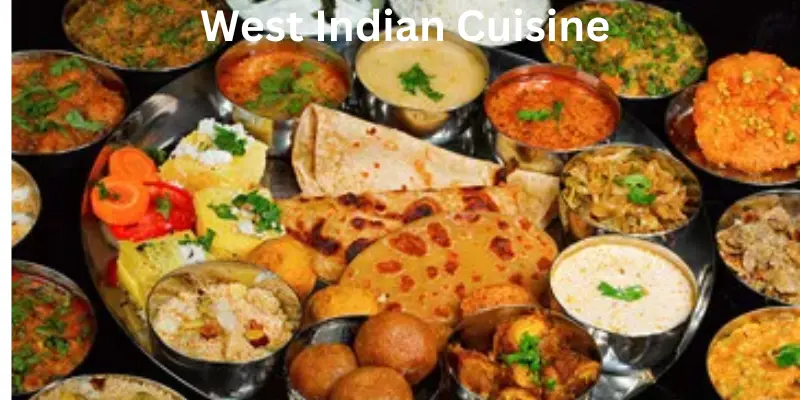
Frequently Asked Questions About West Indian Cuisine
What is West Indian Cuisine?
West Indian Cuisine refers to the traditional foods and cooking styles from the West Indies, including Caribbean islands such as Jamaica, Trinidad and Tobago, Barbados, Guyana, and others. It combines African, Indian, European, Indigenous, and Asian influences.
What are the most popular West Indian dishes?
Some of the most popular West Indian dishes include jerk chicken, curry goat, roti, doubles, rice and peas, ackee and saltfish, pepperpot, callaloo, and flying fish with cou-cou.
Is West Indian Cuisine spicy?
Many West Indian dishes are spicy because they use ingredients such as Scotch bonnet peppers and pepper sauces. However, not every dish is extremely hot. The level of spice can usually be adjusted according to personal preference.
What spices are commonly used in West Indian cooking?
Common spices in West Indian Cuisine include allspice, thyme, ginger, garlic, turmeric, cinnamon, cloves, nutmeg, cumin, and coriander.
What makes West Indian Cuisine unique?
The uniqueness of West Indian Cuisine comes from its combination of cultural influences, tropical ingredients, traditional cooking methods, and regional diversity.
Is West Indian food healthy?
Many traditional West Indian dishes include nutritious ingredients such as seafood, vegetables, beans, fruits, and herbs. Healthiness depends on preparation methods, portion sizes, and ingredient choices.
What is the national food of Jamaica?
Jamaica’s national dish is ackee and saltfish, made with ackee fruit and salted cod cooked with seasonings and vegetables.
Which Caribbean country has the best food?
The answer depends on personal preference. Jamaica, Trinidad and Tobago, Barbados, and Guyana are all known for exceptional culinary traditions within West Indian Cuisine.
The Future of West Indian Cuisine
The future of West Indian Cuisine looks increasingly global as more people discover Caribbean flavors through restaurants, travel, cooking shows, and online recipes.
Young chefs are preserving traditional techniques while experimenting with new ingredients and presentation styles. Caribbean food is becoming more recognized in international culinary discussions because of its history, creativity, and cultural importance.
The continued growth of Caribbean restaurants around the world shows that West Indian food traditions have strong global appeal. From traditional family recipes to modern fusion creations, this cuisine continues to evolve while maintaining its cultural foundation.
Conclusion: Exploring the Rich World of West Indian Cuisine
West Indian Cuisine represents much more than a collection of recipes. It is a reflection of Caribbean history, cultural exchange, family traditions, and regional identity.
From Jamaica’s famous jerk dishes and Trinidad’s flavorful street foods to Barbados’ seafood specialties and Guyana’s traditional stews, every island contributes something unique to the wider West Indian food culture.
The combination of spices, tropical ingredients, cooking techniques, and multicultural influences makes West Indian Cuisine one of the most diverse and memorable culinary traditions in the world.
Whether you are exploring Caribbean restaurants, planning a food-focused vacation, or preparing traditional recipes at home, discovering West Indian dishes offers an opportunity to experience the rich flavors and stories of the Caribbean.
For anyone searching for authentic West Indian Cuisine, traditional Caribbean recipes, regional island foods, and must-try Caribbean dishes, this culinary tradition provides endless opportunities to explore, taste, and appreciate.
East Indian Cuisine: Traditional Dishes, Regional Flavors, Popular Foods & Complete Guide (2026)




- Be Respectful
- Stay Relevant
- Stay Positive
- True Feedback
- Encourage Discussion
- Avoid Spamming
- No Fake News
- Don't Copy-Paste
- No Personal Attacks
- Be Respectful
- Stay Relevant
- Stay Positive
- True Feedback
- Encourage Discussion
- Avoid Spamming
- No Fake News
- Don't Copy-Paste
- No Personal Attacks
