Best Local Cuisine : A Complete Guide to Authentic Food Experiences Around the World
Published: 28 Mar 2026
Introduction
Food is more than just sustenance—it is a reflection of culture, history, geography, and tradition. The concept of best local cuisine goes beyond taste; it captures the identity of a region and tells stories passed down through generations. Whether it’s street food in bustling markets or traditional meals served at family gatherings, Local Cuisine offers an authentic glimpse into the lifestyle of people across the globe.
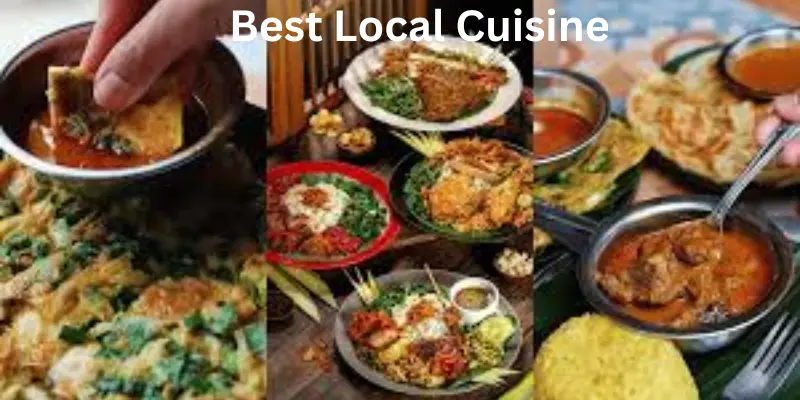
In today’s globalized world, people have access to international foods, yet the charm of local cuisine remains unmatched. Travelers seek unique food experiences, food bloggers explore hidden culinary gems, and chefs reinvent traditional dishes while preserving their roots.
This comprehensive guide explores the best local cuisine, highlighting famous dishes, cultural significance, health aspects, and modern trends shaping traditional foods. For regional cuisine you must dig out North Indian Cuisine
What is Local Cuisine?
Local cuisine refers to dishes that are native to a particular region or community. These foods are typically prepared using locally available ingredients and traditional cooking methods. The best local cuisine reflects:
- Regional climate and agriculture
- Cultural traditions and customs
- Historical influences and trade routes
- Religious and social practices
For example, coastal regions often feature seafood-based dishes, while mountainous areas rely on hearty, energy-rich meals. Explore the article East Indian Cuisine to get information regarding eastern part of India.
Importance of Best Local Cuisine
The significance of best local cuisine extends beyond taste and nutrition. It plays a crucial role in:
Cultural Identity
Local dishes represent heritage and traditions. Recipes are often passed down through generations, preserving cultural identity.
Tourism and Economy
Food tourism is a growing industry. Travelers often choose destinations based on their culinary offerings, boosting local economies.
Sustainability
Local cuisine supports seasonal ingredients and reduces reliance on imported foods, making it environmentally friendly.
Social Connection
Meals bring people together. Sharing traditional dishes strengthens community bonds and family relationships. To get information regarding West Indian cuisine di gout the article West Indian Cuisine.
Famous Local Cuisine from Top Countries
Exploring the best local cuisine worldwide reveals incredible diversity. Here are some iconic examples:
Italy
Italian cuisine is known for its simplicity and rich flavors. Popular dishes include pasta, pizza, and risotto. Fresh ingredients like olive oil, tomatoes, and herbs define the cuisine.
Japan
Japanese local cuisine emphasizes balance, presentation, and freshness. Sushi, ramen, and tempura are globally loved dishes.
India
Indian cuisine is famous for its spices and variety. From curry dishes to street food like chaat, the flavors are bold and diverse.
Mexico
Mexican cuisine features vibrant flavors and colorful ingredients. Tacos, enchiladas, and guacamole are staples of the local diet.
France
French cuisine is known for its sophistication and culinary techniques. Dishes like croissants, coq au vin, and cheese platters highlight its richness.
Thailand
Thai food combines sweet, sour, salty, and spicy flavors. Popular dishes include pad thai, green curry, and tom yum soup.
Role of Ingredients in Best Local Cuisine
Ingredients are the foundation of best local cuisine. Each region uses what is naturally available, resulting in unique flavors.
Fresh and Seasonal Produce
Local dishes often rely on seasonal vegetables and fruits, enhancing taste and nutritional value.
Herbs and Spices
Spices play a vital role in defining cuisine. For example:
- Indian cuisine uses turmeric, cumin, and coriander
- Mediterranean cuisine uses oregano and basil
- Asian cuisine incorporates ginger and lemongrass
Proteins
Different regions rely on various protein sources:
- Seafood in coastal areas
- Meat in colder regions
- Plant-based proteins in vegetarian cultures
Cooking Techniques in Best Local Cuisine
Traditional cooking methods are essential to preserving the authenticity of local dishes.
Grilling and Roasting
Common in many cultures, these methods enhance flavor through caramelization.
Steaming
Widely used in Asian cuisine, steaming preserves nutrients and natural taste.
Frying
Popular for street food, frying adds texture and richness to dishes.
Slow Cooking
Slow cooking allows flavors to develop deeply, often used in stews and curries.
Health Benefits of Best Local Cuisine
One of the major advantages of best local cuisine is its nutritional value.
Balanced Diet
Traditional meals often include a balance of carbohydrates, proteins, and fats.
Natural Ingredients
Local dishes rely on fresh, minimally processed ingredients.
Reduced Additives
Homemade local cuisine typically contains fewer preservatives and artificial flavors.
Adaptation to Climate
Foods are often designed to suit local weather conditions, helping maintain health.
Street Food and Best Local Cuisine
Street food is an essential part of experiencing best local cuisine. It offers affordable, authentic, and flavorful dishes.
Popular Street Foods
- Tacos in Mexico
- Samosas in India
- Kebabs in the Middle East
- Crepes in France
Street food vendors often use traditional recipes, making them a key part of local culinary culture.
Best Local Cuisine for Vegetarians and Vegans
Contrary to popular belief, many regions offer excellent plant-based local cuisine.
India
Vegetarian dishes like dal, paneer, and vegetable curries are widely available.
Mediterranean Region
Dishes like hummus, falafel, and salads are naturally vegan-friendly.
Southeast Asia
Tofu-based dishes and vegetable stir-fries are common.
Western Countries
Modern adaptations include vegan versions of traditional dishes.
Influence of Culture on Best Local Cuisine
Culture heavily influences food habits and preferences.
Religious Practices
Certain foods are avoided or preferred based on religious beliefs.
Festivals and Celebrations
Special dishes are prepared during festivals, showcasing cultural traditions.
Social Norms
Dining etiquette and meal structures vary across cultures.
Modern Trends in Best Local Cuisine
While tradition remains important, modern influences are reshaping local cuisine.
Fusion Cuisine
Combining elements from different cultures creates innovative dishes.
Health-Conscious Cooking
People are adapting traditional recipes to be healthier.
Technology in Cooking
Online recipes, food delivery apps, and smart kitchen appliances are transforming how people experience local cuisine.
Sustainability Trends
There is a growing focus on organic farming and reducing food waste.

Tips to Experience the Best Local Cuisine
To truly enjoy best local cuisine, consider these tips:
Eat Where Locals Eat
Local restaurants and street vendors often offer the most authentic dishes.
Try Traditional Dishes
Don’t hesitate to try something new—it’s part of the experience.
Learn About Ingredients
Understanding ingredients enhances appreciation of the dish.
Respect Food Culture
Follow local dining etiquette and traditions.
Challenges Facing Local Cuisine
Despite its importance, local cuisine faces several challenges:
Globalization
Fast food chains and international cuisines can overshadow traditional dishes.
Loss of Traditional Recipes
Younger generations may not learn traditional cooking methods.
Environmental Issues
Climate change affects the availability of local ingredients.
Future of Best Local Cuisine
The future of best local cuisine depends on preserving traditions while embracing innovation.
Revival of Traditional Recipes
Efforts are being made to document and promote traditional cooking methods.
Culinary Tourism Growth
Food tourism continues to attract travelers seeking authentic experiences.
Digital Influence
Social media helps spread awareness about local dishes worldwide.
Best Local Cuisine in Europe (Detailed Country-Wise Guide)
Europe is a treasure trove of diverse flavors, where each country offers a unique culinary identity. The best local cuisine in Europe reflects centuries of tradition, geography, and cultural exchange.
Italy
Italian cuisine is known for pasta, pizza, and regional specialties like risotto in the north and seafood dishes in the south. Simplicity and fresh ingredients define its excellence.
France
French cuisine is famous for its refined techniques and rich flavors. From buttery pastries to gourmet dishes, it represents elegance in cooking.
Spain
Spain offers tapas culture, paella, and cured meats. Meals are often social events, emphasizing sharing and community.
Germany
German cuisine includes sausages, bread, and hearty dishes like schnitzel and sauerkraut, reflecting its agricultural roots.
Greece
Greek food focuses on fresh vegetables, olive oil, and seafood. Dishes like moussaka and souvlaki are widely enjoyed.
Turkey
A blend of Middle Eastern and Mediterranean influences, Turkish cuisine offers kebabs, meze, and sweet desserts like baklava.
Regional Food Maps and Culinary Zones
Understanding best local cuisine becomes easier through culinary zones:
- Mediterranean Zone: Olive oil, seafood, herbs (Italy, Greece, Spain)
- Nordic Zone: Fish, berries, and preserved foods (Norway, Sweden)
- Eastern European Zone: Hearty stews, potatoes, and fermented foods
- Western European Zone: Dairy-rich dishes and baked goods (France, Belgium)
- Asian Culinary Zone: Rice, spices, and noodles dominate
- Latin American Zone: Corn, beans, and bold flavors
These zones highlight how geography shapes local cuisine.
Comparison Between Street Food and Fine Dining Local Cuisine
Both street food and fine dining represent the best local cuisine, but they differ in experience and presentation.
Street Food
- Affordable and accessible
- Authentic and traditional
- Quick preparation
- Rich in local flavors
Fine Dining
- High-end presentation
- Creative interpretations of traditional dishes
- Premium ingredients
- Formal dining experience
While street food offers raw authenticity, fine dining elevates local cuisine into art.
Role of Local Cuisine in Cultural Diplomacy
Food plays a powerful role in international relations. The best local cuisine acts as a cultural ambassador.
- Countries promote their cuisine globally through festivals and restaurants
- Culinary exchanges strengthen diplomatic ties
- Food introduces people to new cultures without travel
For example, national dishes often represent identity and pride on global platforms.
Impact of Climate Change on Traditional Foods
Climate change is affecting the best local cuisine worldwide.
Key Impacts
- Reduced availability of certain ingredients
- Changes in agricultural patterns
- Loss of traditional crops
Example Effects
- Seafood shortages in coastal regions
- Decline in crop yields affecting staple foods
Preserving local cuisine now requires adapting to environmental changes.
Farm-to-Table Movement in Local Cuisine
The farm-to-table concept is transforming the best local cuisine by focusing on freshness and sustainability.
Key Features
- Direct sourcing from local farms
- Seasonal ingredients
- Reduced carbon footprint
Benefits
- Supports local farmers
- Enhances food quality
- Promotes sustainable practices
This movement reconnects people with the origins of their food.
Food Safety and Hygiene in Local Food Markets
While enjoying the best local cuisine, food safety is essential.
Key Practices
- Choose vendors with clean cooking areas
- Ensure food is freshly prepared
- Avoid undercooked items
- Drink clean or bottled water
Maintaining hygiene ensures a safe and enjoyable culinary experience.
Best Local Desserts Around the World
Desserts are an important part of the best local cuisine, offering a sweet insight into culture.
Popular Examples
- Italy: Tiramisu
- France: Macarons
- India: Gulab Jamun
- Turkey: Baklava
- USA: Cheesecake
- Japan: Mochi
Each dessert reflects local ingredients and traditions.
Local Cuisine Cooking Classes for Tourists
Cooking classes are a great way to experience the best local cuisine.
Benefits
- Learn authentic recipes
- Understand cultural significance
- Hands-on experience
Popular Destinations
- Italy for pasta-making classes
- Thailand for street food cooking
- Morocco for traditional tagine preparation
These classes provide deeper cultural immersion.
Influence of Social Media on Food Trends
Social media has transformed how people discover the best local cuisine.
Key Impacts
- Viral food trends increase popularity of local dishes
- Food bloggers promote hidden gems
- Visual appeal influences food choices
Platforms like Instagram and YouTube have made local cuisine globally accessible.
FAQs on Best Local Cuisine
1. What is meant by best local cuisine?
The best local cuisine refers to traditional dishes that represent the culture, ingredients, and cooking styles of a specific region.
2. Why is local cuisine important?
It preserves cultural heritage, supports local economies, and offers authentic food experiences.
3. How can travelers find the best local cuisine?
By exploring local markets, street vendors, and small traditional restaurants where locals eat.
4. Is street food part of local cuisine?
Yes, street food is often the most authentic representation of local cuisine.
5. Can local cuisine be healthy?
Yes, many local dishes use fresh and natural ingredients, making them nutritious.
6. How is local cuisine changing in modern times?
It is evolving through fusion cooking, technology, and global influences while maintaining traditional roots.
Summary
The best local cuisine represents a blend of culture, history, and tradition. From famous international dishes to hidden local gems, food plays a vital role in shaping identity and connecting people. With growing interest in authenticity and sustainability, local cuisine continues to thrive despite modern challenges.
Conclusion
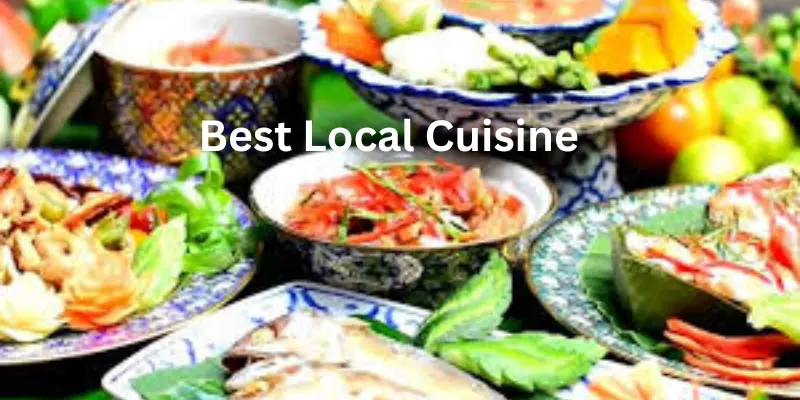
In a world full of diverse culinary options, the charm of best local cuisine remains timeless. It offers more than just flavors—it provides a journey into the heart of a culture. Whether you are a traveler, food enthusiast, or someone exploring new tastes, local cuisine opens the door to unforgettable experiences.
Preserving and appreciating traditional food is essential for maintaining cultural heritage. By supporting local food systems and exploring authentic dishes, we contribute to keeping these traditions alive for future generations.





- Be Respectful
- Stay Relevant
- Stay Positive
- True Feedback
- Encourage Discussion
- Avoid Spamming
- No Fake News
- Don't Copy-Paste
- No Personal Attacks
- Be Respectful
- Stay Relevant
- Stay Positive
- True Feedback
- Encourage Discussion
- Avoid Spamming
- No Fake News
- Don't Copy-Paste
- No Personal Attacks
