Local Cuisine: A Complete Guide to Traditional Foods Around the World
Published: 28 Mar 2026
Introduction to Local Cuisine
Local cuisine refers to the traditional foods and dishes that are unique to a particular region, country, or culture. These foods are often prepared using locally sourced ingredients and reflect the history, climate, lifestyle, and traditions of the people who create them. Local cuisine is more than just food—it is a cultural experience that connects people to their roots and offers travelers a deeper understanding of a destination. For more delicious dishes you may also read Best Local Cuisine
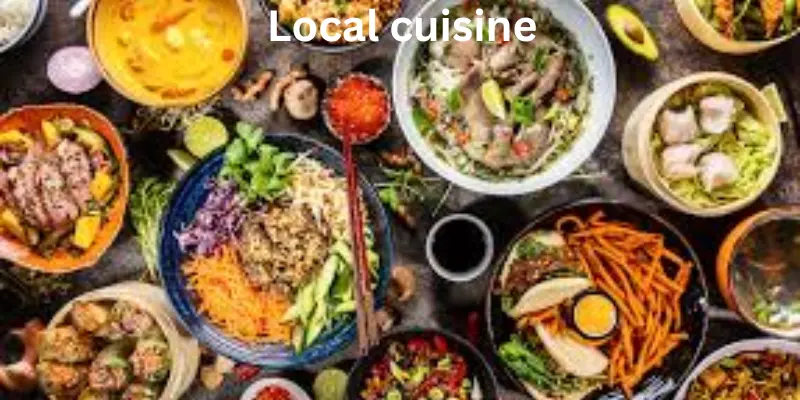
In today’s globalized world, where international fast food chains are everywhere, local cuisine remains a powerful symbol of identity and heritage. Whether it’s street food in Asia, hearty meals in Europe, or spicy dishes in Africa, every region has its own culinary story to tell.
History of Local Cuisine
The history of local cuisine dates back thousands of years when early humans relied entirely on locally available resources for survival. Hunting, fishing, and gathering were the primary means of obtaining food, which naturally led to the development of region-specific diets. Over time, as agriculture emerged, communities began cultivating crops suited to their environment, forming the foundation of local cuisine.
Ancient civilizations such as those in Asia, Europe, and Africa developed distinct culinary traditions influenced by climate, geography, and available ingredients. Trade routes like the Silk Road played a major role in introducing new spices, grains, and cooking techniques to different regions. Colonization and exploration further diversified local cuisine by blending indigenous foods with foreign influences.
Today, local cuisine reflects a rich combination of tradition, history, and cultural exchange, preserving the culinary identity of regions across the world. For international deals and information explore the articles Cancun Travel Deals & Best Travel Deals
What is Local Cuisine?
Local cuisine can be defined as food that is traditionally prepared and consumed within a specific geographic area. It includes:
- Regional dishes passed down through generations
- Cooking methods unique to a culture
- Ingredients native to the region
- Seasonal and locally grown produce
Local cuisine is shaped by various factors such as geography, climate, culture, religion, and historical influences. For example, coastal areas often feature seafood-based dishes, while mountainous regions may rely on meat and dairy. Explore the article East Indian Cuisine to get information regarding eastern part of India.
Importance of Local Cuisine
1. Cultural Identity
Local cuisine plays a crucial role in preserving cultural identity. Traditional recipes are often passed down from one generation to another, maintaining a sense of heritage and belonging.
2. Economic Impact
Supporting local cuisine helps local farmers, markets, and small businesses thrive. It promotes sustainable tourism and boosts the local economy.
3. Authentic Travel Experience
For travelers, experiencing local cuisine is one of the best ways to understand a destination. It offers insight into the lifestyle and traditions of the local people.
4. Nutritional Value
Local cuisine often uses fresh, seasonal ingredients, making it healthier compared to processed foods. To get information regarding West Indian cuisine di gout the article West Indian Cuisine.
Factors That Influence Local Cuisine
1. Geography
Geography plays a major role in shaping local cuisine. For instance:
- Coastal regions focus on seafood
- Tropical areas use fruits and spices
- Cold climates rely on preserved foods
2. Climate
Climate determines what ingredients can be grown or sourced locally. Warmer climates produce spices and fruits, while colder regions depend on grains and meats.
3. Culture and Religion
Cultural beliefs and religious practices influence dietary habits. For example:
- Vegetarian diets in some cultures
- Halal or kosher food practices
- Festive foods prepared during special occasions
4. History
Historical events such as trade, colonization, and migration introduce new ingredients and cooking styles into local cuisine.
Popular Examples of Local Cuisine Around the World
1. Asian Local Cuisine
Asian local cuisine is known for its diversity and rich flavors:
- Rice and noodles as staple foods
- Use of spices, herbs, and sauces
- Street food culture
Popular dishes include curries, stir-fries, and dumplings.
2. European Local Cuisine
European cuisine emphasizes:
- Bread, cheese, and wine
- Fresh herbs and simple preparation
- Regional specialties
Examples include pasta dishes, pastries, and roasted meats.
3. African Local Cuisine
African local cuisine is characterized by:
- Bold flavors and spices
- Use of grains like millet and sorghum
- Stews and grilled meats
4. American Local Cuisine
American cuisine is a mix of influences:
- Fast food and comfort food
- Regional specialties like BBQ and seafood
- Fusion of different cultures
Street Food and Local Cuisine
Street food is an essential part of local cuisine in many countries. It offers:
- Affordable meals
- Authentic flavors
- Quick and convenient options
From food carts to night markets, street food allows people to experience local cuisine in its most raw and traditional form.
Traditional Cooking Methods
Local cuisine often uses traditional cooking techniques such as:
- Grilling: Common in many cultures for meats and vegetables
- Steaming: Popular in Asian cuisine
- Baking: Used for bread and pastries
- Slow Cooking: Enhances flavor in stews and curries
These methods preserve the authenticity and taste of local cuisine.
Local Ingredients and Their Role
Ingredients are the foundation of local cuisine. Key characteristics include:
- Locally grown produce
- Seasonal availability
- Organic and fresh quality
Using local ingredients ensures that dishes maintain their original flavor and nutritional value.
Local Cuisine and Tourism
1. Food Tourism
Food tourism is growing rapidly, with travelers exploring destinations specifically for their local cuisine.
2. Culinary Experiences
Activities include:
- Cooking classes
- Food tours
- Visiting local markets
3. Cultural Exchange
Local cuisine allows tourists to connect with locals and learn about their traditions.
Benefits of Exploring Local Cuisine
- Enhances travel experience
- Supports local communities
- Promotes cultural understanding
- Encourages healthy eating habits
Challenges Facing Local Cuisine
Despite its importance, local cuisine faces several challenges:
1. Globalization
Fast food chains and international cuisines are replacing traditional dishes.
2. Loss of Traditional Knowledge
Younger generations may not learn traditional cooking methods.
3. Environmental Issues
Climate change affects the availability of local ingredients.
Tips for Exploring Local Cuisine
- Visit local markets and street vendors
- Try traditional dishes recommended by locals
- Take part in cooking classes
- Avoid sticking only to international restaurants
- Learn basic food-related phrases in the local language
Local Cuisine vs Global Cuisine (Comparison Table)
| Feature | Local Cuisine | Global Cuisine |
|---|---|---|
| Ingredients | Locally sourced | Imported or mass-produced |
| Taste | Authentic and traditional | Standardized |
| Cultural Value | High | Moderate |
| Availability | Region-specific | Worldwide |
| Cooking Methods | Traditional | Modern/industrial |
Role of Local Cuisine in Sustainable Living
Local cuisine promotes sustainability by:
- Reducing food transportation
- Supporting local farmers
- Encouraging seasonal eating
- Minimizing food waste
This makes it an eco-friendly choice for both locals and travelers.

Future of Local Cuisine
The future of local cuisine depends on:
- Preservation of traditional recipes
- Promotion through tourism
- Integration with modern cooking techniques
- Awareness among younger generations
With increasing interest in authentic experiences, local cuisine is likely to remain relevant and valuable.
Local Cuisine and Health Benefits
Local cuisine offers numerous health benefits due to its reliance on fresh, seasonal, and minimally processed ingredients.
1. Nutrient-Rich Foods
Local dishes often include fresh vegetables, fruits, grains, and proteins that retain their nutritional value.
2. Fewer Preservatives
Unlike processed foods, local cuisine typically avoids artificial additives and preservatives.
3. Balanced Diet
Traditional meals are usually well-balanced, incorporating carbohydrates, proteins, and healthy fats.
4. Supports Digestive Health
Locally prepared foods are often easier to digest as they align with regional dietary habits.
5. Promotes Seasonal Eating
Seasonal foods provide optimal nutrition and are better suited to the body’s needs during different times of the year.
Famous Local Dishes by Top 10 Countries
Here are some iconic examples of local cuisine from around the world:
| Country | Famous Local Dish | Description |
|---|---|---|
| Italy | Pizza | Thin crust bread topped with cheese and tomato sauce |
| Japan | Sushi | Rice with seafood or vegetables |
| India | Biryani | Spiced rice with meat or vegetables |
| Mexico | Tacos | Folded tortillas filled with meat or beans |
| France | Croissant | Flaky buttery pastry |
| China | Peking Duck | Roasted duck with crispy skin |
| Thailand | Pad Thai | Stir-fried noodles with sauce |
| USA | Burger | Grilled meat patty in a bun |
| Turkey | Kebab | Grilled meat skewers |
| Spain | Paella | Rice dish with seafood or meat |
These dishes represent the diversity and richness of local cuisine across cultures.
Role of Spices in Local Cuisine
Spices play a vital role in enhancing the flavor, aroma, and color of local cuisine.
- Flavor Enhancement: Spices add depth and complexity to dishes
- Preservation: Many spices have natural preservative properties
- Health Benefits: Spices like turmeric and ginger have medicinal value
- Cultural Identity: Different regions use unique spice blends
For example, Asian cuisine is known for bold spices, while European cuisine often uses herbs for subtle flavors.
Vegan and Vegetarian Local Cuisine Options
Many cultures have rich traditions of plant-based local cuisine.
Examples:
- Indian cuisine: Lentils, vegetables, and rice dishes
- Mediterranean cuisine: Salads, olives, and hummus
- Middle Eastern cuisine: Falafel and tabbouleh
Benefits:
- Environmentally friendly
- Healthier lifestyle
- Ethical food choices
Local cuisine provides a wide range of vegan and vegetarian options without compromising taste or nutrition.
Influence of Migration on Local Cuisine
Migration has significantly shaped local cuisine by introducing new ingredients and cooking styles.
- Immigrants bring their traditional recipes
- Fusion dishes emerge from cultural blending
- New flavors and techniques are adopted
For example, American cuisine is a blend of European, African, and Asian influences, making it highly diverse.
Local Desserts and Sweets Around the World
Desserts are an important part of local cuisine and reflect cultural traditions.
Examples:
- Italy: Gelato
- India: Gulab Jamun
- France: Macarons
- Turkey: Baklava
- USA: Cheesecake
These sweets showcase the creativity and uniqueness of different cultures.
Food Etiquette in Different Cultures
Food etiquette is an essential aspect of local cuisine and varies across regions.
- Asia: Using chopsticks properly
- Middle East: Eating with the right hand
- Europe: Formal table manners
- Japan: Slurping noodles is acceptable
Understanding food etiquette enhances the experience of enjoying local cuisine.
Seasonal Foods in Local Cuisine
Seasonal foods are a key element of local cuisine.
Advantages:
- Fresher and more flavorful
- More nutritious
- Cost-effective
- Environmentally sustainable
For example, summer fruits and winter root vegetables are commonly used in seasonal dishes.
Impact of Technology on Traditional Cooking
Technology has transformed how local cuisine is prepared and consumed.
Positive Impacts:
- Easier access to recipes
- Modern kitchen appliances save time
- Online food delivery services
Negative Impacts:
- Loss of traditional cooking methods
- Increased reliance on processed foods
Balancing technology with tradition is essential to preserve local cuisine.
Local Beverages and Drinks Culture
Local beverages are an integral part of local cuisine.
Examples:
- Tea in Asia
- Coffee in Europe
- Fresh juices in tropical regions
- Traditional drinks like lassi in India
These beverages complement meals and reflect cultural preferences.
Pros and Cons of Local Cuisine
| Pros of Local Cuisine | Cons of Local Cuisine |
|---|---|
| Fresh and nutritious | Limited availability outside region |
| Supports local economy | May not suit all tastes |
| Preserves cultural heritage | Hygiene concerns in some areas |
| Environmentally sustainable | Seasonal limitations |
| Authentic flavors | Can be time-consuming to prepare |
FAQs on Local Cuisine
1. What is local cuisine?
Local cuisine refers to traditional foods and dishes unique to a specific region or culture.
2. Why is local cuisine important?
It preserves cultural heritage, supports local economies, and provides authentic food experiences.
3. Is local cuisine healthier than fast food?
Yes, local cuisine is usually healthier because it uses fresh and natural ingredients.
4. How can travelers explore local cuisine?
By visiting local markets, trying street food, and dining at traditional restaurants.
5. What role do spices play in local cuisine?
Spices enhance flavor, preserve food, and provide health benefits.
6. Can local cuisine be vegetarian or vegan?
Yes, many cultures offer a variety of plant-based local dishes.
Summary
Local cuisine is an essential part of cultural identity and heritage. It reflects the traditions, environment, and history of a region. From street food to fine dining, local cuisine offers a unique and authentic experience for both locals and travelers. Despite challenges like globalization and environmental issues, efforts to preserve and promote traditional foods continue to grow.
Conclusion
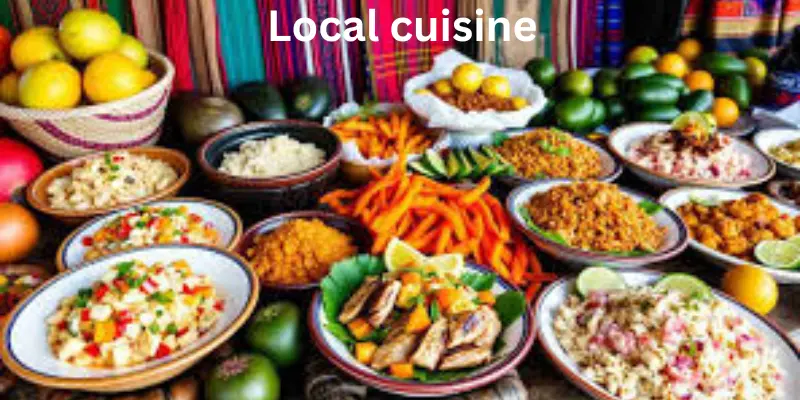
In conclusion, local cuisine is much more than just food—it is a reflection of a community’s way of life. Exploring local cuisine allows individuals to connect with different cultures, support local economies, and enjoy fresh, authentic meals. Whether you are traveling or simply exploring your own region, embracing local cuisine can enrich your experience and broaden your understanding of the world.






- Be Respectful
- Stay Relevant
- Stay Positive
- True Feedback
- Encourage Discussion
- Avoid Spamming
- No Fake News
- Don't Copy-Paste
- No Personal Attacks
- Be Respectful
- Stay Relevant
- Stay Positive
- True Feedback
- Encourage Discussion
- Avoid Spamming
- No Fake News
- Don't Copy-Paste
- No Personal Attacks
