North Indian Cuisine: Complete Guide to Famous Dishes, Culture, Ingredients, and Traditional Cooking
Published: 05 Jul 2026
North Indian cuisine is one of the richest and most celebrated culinary traditions in the world. Every region across northern India contributes unique flavors, cooking styles, spices, and recipes that have evolved over centuries. Travelers often associate India with colorful curries, buttery breads, aromatic rice dishes, creamy gravies, and delicious sweets, and much of that reputation comes from the remarkable diversity of North Indian cuisine. To know more about cuisine explore the article Local Cuisine
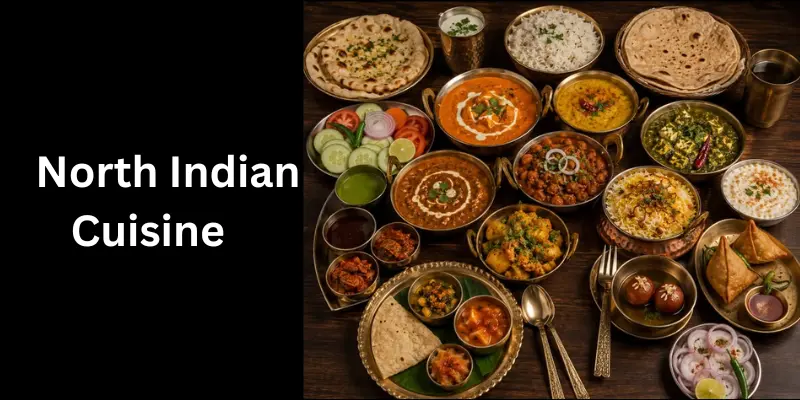
The history of North Indian cuisine reflects centuries of cultural exchange. Ancient Indian cooking traditions blended with influences from Central Asia, Persia, and the Mughal Empire. Royal kitchens introduced luxurious gravies, dry fruits, saffron, and slow-cooked meat preparations, while villages preserved simple yet nutritious recipes made from locally grown grains, vegetables, pulses, and dairy products. The article Best Local Cuisine provide lot information regarding delicious dishes.
Today, North Indian cuisine attracts millions of food lovers from around the globe. Whether someone visits Delhi, Punjab, Uttar Pradesh, Rajasthan, Himachal Pradesh, Jammu and Kashmir, Haryana, or Uttarakhand, each destination offers memorable meals prepared with local ingredients and family traditions.
This comprehensive guide explains everything about North Indian cuisine, including its history, ingredients, regional specialties, cooking methods, popular dishes, breads, street food, beverages, desserts, and dining customs. To get more benefits you may must read the article Best Travel Deals.
What Is North Indian Cuisine?
North Indian cuisine refers to the traditional foods prepared across the northern states of India. Although each state has its own identity, several characteristics unite this cuisine.
The food typically includes wheat-based breads instead of rice as the primary staple. Dairy products such as milk, yogurt, butter, paneer, cream, and ghee play an important role in daily cooking. Rich gravies prepared with onions, tomatoes, ginger, garlic, and aromatic spices create deep flavors that distinguish many famous dishes.
Unlike some southern Indian recipes that heavily rely on coconut and curry leaves, North Indian cuisine emphasizes garam masala, cumin, coriander, turmeric, cardamom, cloves, cinnamon, and kasuri methi. These ingredients create warm aromas without overwhelming the natural taste of the food.
Many dishes are prepared using slow cooking techniques that allow spices and ingredients to develop balanced flavors over time. Explore the article East Indian Cuisine to get information regarding eastern part of India.
History and Evolution of North Indian Cuisine
The roots of North Indian cuisine extend back thousands of years to the Indus Valley Civilization. Early communities cultivated wheat, barley, lentils, vegetables, and dairy animals that became the foundation of daily meals.
The arrival of various dynasties introduced new ingredients and cooking methods. Persian influence brought dried fruits, saffron, kebabs, pilaf, and fragrant rice dishes. The Mughal Empire transformed royal kitchens by introducing luxurious gravies enriched with nuts, cream, yogurt, and aromatic spices.
Trade routes also contributed significantly. Merchants introduced chilies, tomatoes, potatoes, and numerous spices that eventually became essential components of modern North Indian cuisine.
Village households preserved traditional cooking methods using clay ovens, iron pans, copper vessels, and stone grinders. Many families continue following recipes passed down through generations. To get information regarding West Indian cuisine di gout the article West Indian Cuisine.
Why North Indian Cuisine Is Famous Worldwide
North Indian cuisine enjoys global popularity because it offers remarkable variety while satisfying different dietary preferences.
Vegetarians find countless nutritious options prepared from lentils, vegetables, paneer, and legumes. Meat lovers enjoy flavorful chicken, lamb, goat, and fish dishes. Bread enthusiasts appreciate freshly baked naan, roti, kulcha, and paratha. Dessert lovers discover an endless collection of milk-based sweets.
Restaurants serving North Indian cuisine operate in nearly every major city worldwide because the recipes appeal to both adventurous travelers and first-time visitors to Indian food.
Several factors contribute to its international recognition:
- Rich aromatic flavors
- Balanced spice combinations
- Extensive vegetarian choices
- Diverse bread varieties
- Creamy gravies
- Traditional clay oven cooking
- Wide selection of desserts
- Cultural significance
Essential Ingredients Used in North Indian Cuisine
The ingredients used in North Indian cuisine create its distinctive flavor profile.
Wheat forms the foundation of many daily meals. Flour is transformed into roti, naan, paratha, puri, kulcha, and several regional breads.
Rice also plays an important role, particularly in biryanis, pulao, and festive dishes.
Dairy products are indispensable. Paneer appears in numerous vegetarian recipes. Yogurt tenderizes meat, enriches gravies, and serves as the base for refreshing drinks like lassi. Ghee enhances aroma while butter adds richness.
Legumes such as chickpeas, kidney beans, black gram, pigeon peas, and lentils provide protein for millions of households.
Fresh vegetables include potatoes, cauliflower, spinach, peas, okra, eggplant, tomatoes, onions, carrots, pumpkins, bottle gourd, and seasonal greens.
Fresh herbs such as coriander and mint provide freshness and vibrant color.
Traditional Spices That Define North Indian Cuisine
The remarkable taste of North Indian cuisine comes from carefully balanced spice blends rather than excessive heat.
Turmeric contributes color and earthy flavor.
Cumin delivers warmth and depth.
Coriander powder adds mild citrus notes.
Garam masala combines several aromatic spices into one versatile seasoning.
Cardamom contributes sweetness and fragrance.
Cloves provide intense warmth.
Cinnamon enhances curries and rice dishes.
Black pepper introduces mild heat.
Bay leaves flavor rice preparations.
Nutmeg appears in festive recipes.
Kasuri methi contributes a unique aroma to creamy gravies.
Mustard seeds appear in selected regional dishes.
Fresh ginger and garlic create the aromatic base for countless recipes.
Traditional Cooking Methods in North Indian Cuisine
Cooking techniques remain central to preserving authentic flavors.
The tandoor is perhaps the most famous cooking equipment associated with North Indian cuisine. This cylindrical clay oven cooks naan, kulcha, kebabs, tandoori chicken, and vegetables at extremely high temperatures.
Slow simmering allows curries to develop deep flavors.
Pressure cooking speeds up the preparation of lentils while maintaining nutrition.
Shallow frying creates crisp parathas and snacks.
Deep frying produces samosas, kachoris, pakoras, and puris.
Grilling over charcoal imparts smoky flavors.
Roasting whole spices before grinding enhances aroma.
Many traditional households continue preparing food using cast iron cookware, brass utensils, and clay pots.
Most Popular North Indian Cuisine Dishes Every Traveler Should Try
North Indian cuisine includes hundreds of famous recipes enjoyed throughout India.
Butter Chicken remains one of the world’s most recognized Indian dishes. Tender chicken pieces cooked in tomato-based buttery gravy create a rich and satisfying meal.
Dal Makhani combines whole black lentils and kidney beans cooked slowly with butter and cream.
Chole Bhature pairs spicy chickpea curry with fluffy fried bread.
Rajma Chawal brings together kidney bean curry and steamed rice.
Palak Paneer features cottage cheese cooked with spinach puree and aromatic spices.
Shahi Paneer presents paneer in a luxurious creamy gravy enriched with nuts.
Malai Kofta combines soft vegetable dumplings served in rich tomato and cream sauce.
Aloo Gobi mixes potatoes and cauliflower with turmeric and cumin.
Baingan Bharta transforms roasted eggplant into smoky mashed curry.
Kadhi Pakora blends yogurt-based curry with gram flour fritters.
Jeera Rice complements rich curries with fragrant cumin-flavored rice.
Vegetable Pulao offers a lighter rice preparation suitable for everyday meals.
Traditional Indian Breads in North Indian Cuisine
Bread holds exceptional importance in North Indian cuisine because it accompanies nearly every meal.
Naan remains the most famous bread internationally. Prepared with refined flour and baked inside a tandoor, it develops a soft interior and slightly crisp exterior.
Roti is the everyday household bread made from whole wheat flour.
Paratha features multiple flaky layers often stuffed with potatoes, cauliflower, radish, paneer, spinach, or mixed vegetables.
Kulcha offers a softer alternative frequently served with chole.
Missi Roti combines wheat flour with gram flour for extra nutrition.
Makki Ki Roti uses cornmeal and traditionally accompanies Sarson Ka Saag.
Puri is deep-fried until it puffs into a golden bread served during breakfasts and festivals.
Lachha Paratha contains numerous buttery layers that pair beautifully with creamy curries.
Famous Rice Dishes in North Indian Cuisine
Although bread dominates many meals, rice remains equally significant in numerous regions.
Biryani stands among India’s most celebrated dishes. Fragrant basmati rice cooks alongside marinated meat or vegetables with saffron and aromatic spices.
Pulao provides a lighter rice option cooked with vegetables, whole spices, and herbs.
Jeera Rice accompanies rich curries by adding subtle cumin flavor.
Peas Pulao appears frequently during winter months.
Kashmiri Pulao combines rice with dry fruits, saffron, nuts, and mild spices.
Many festive occasions feature elaborate rice dishes prepared with premium basmati rice and clarified butter.
The Importance of Dairy in North Indian Cuisine
Few world cuisines rely on dairy as extensively as North Indian cuisine.
Milk supports countless recipes ranging from beverages to desserts.
Paneer serves as the primary protein source for vegetarians.
Butter enriches famous dishes such as Butter Chicken and Dal Makhani.
Cream creates luxurious gravies.
Yogurt tenderizes meats while balancing spicy flavors.
Ghee remains essential for traditional cooking, festive meals, and religious ceremonies.
Lassi provides a refreshing yogurt-based drink enjoyed during hot summers.
The widespread availability of dairy products has shaped North Indian cuisine for centuries, contributing richness, nutrition, and distinctive taste.
Regional Diversity Within North Indian Cuisine
One remarkable feature of North Indian cuisine is its regional diversity.
Punjab is known for buttery curries, tandoori cooking, stuffed parathas, and dairy-rich recipes.
Delhi offers iconic street foods, Mughlai dishes, and restaurant specialties.
Rajasthan presents flavorful dishes adapted to desert conditions, using gram flour, dried vegetables, and clarified butter.
Uttar Pradesh preserves royal Awadhi cuisine featuring kebabs, biryanis, and slow-cooked delicacies.
Kashmir introduces saffron, dry fruits, yogurt-based gravies, and aromatic rice dishes.
Himachal Pradesh emphasizes seasonal mountain ingredients, lentils, and locally grown vegetables.
Haryana favors wholesome wheat preparations, dairy products, and nutritious home-style meals.
Uttarakhand highlights millet, lentils, mountain herbs, and regional grains suited to Himalayan agriculture.
Famous North Indian Street Food That Every Food Lover Should Try
Street food is one of the most exciting aspects of North Indian cuisine. Every city has its own specialties that reflect local traditions, seasonal ingredients, and family recipes. Vendors often prepare dishes fresh in front of customers, creating an unforgettable culinary experience.
Delhi is famous for chaat, golgappa, aloo tikki, chole kulche, and stuffed parathas. These dishes combine sweet, spicy, tangy, and savory flavors in a single serving.
Punjab is well known for Amritsari kulcha served with spicy chickpea curry and tangy pickles. Rich butter enhances the flavor of freshly baked bread.
Lucknow offers legendary kebabs, roomali roti, and biryani inspired by the royal kitchens of Awadh.
Jaipur attracts visitors with kachori, mirchi vada, pyaz kachori, and sweet ghevar during festive seasons.
Varanasi is famous for tamatar chaat, kachori sabzi, and creamy lassi served in traditional clay cups.
Agra delights travelers with bedai, jalebi, and the city’s famous petha.
Street food reflects the diversity of North Indian cuisine, making every destination a unique food experience.
Best Vegetarian Dishes in North Indian Cuisine
Vegetarian food forms the backbone of North Indian cuisine. Millions of families prepare nutritious vegetarian meals daily using seasonal vegetables, pulses, dairy products, and grains.
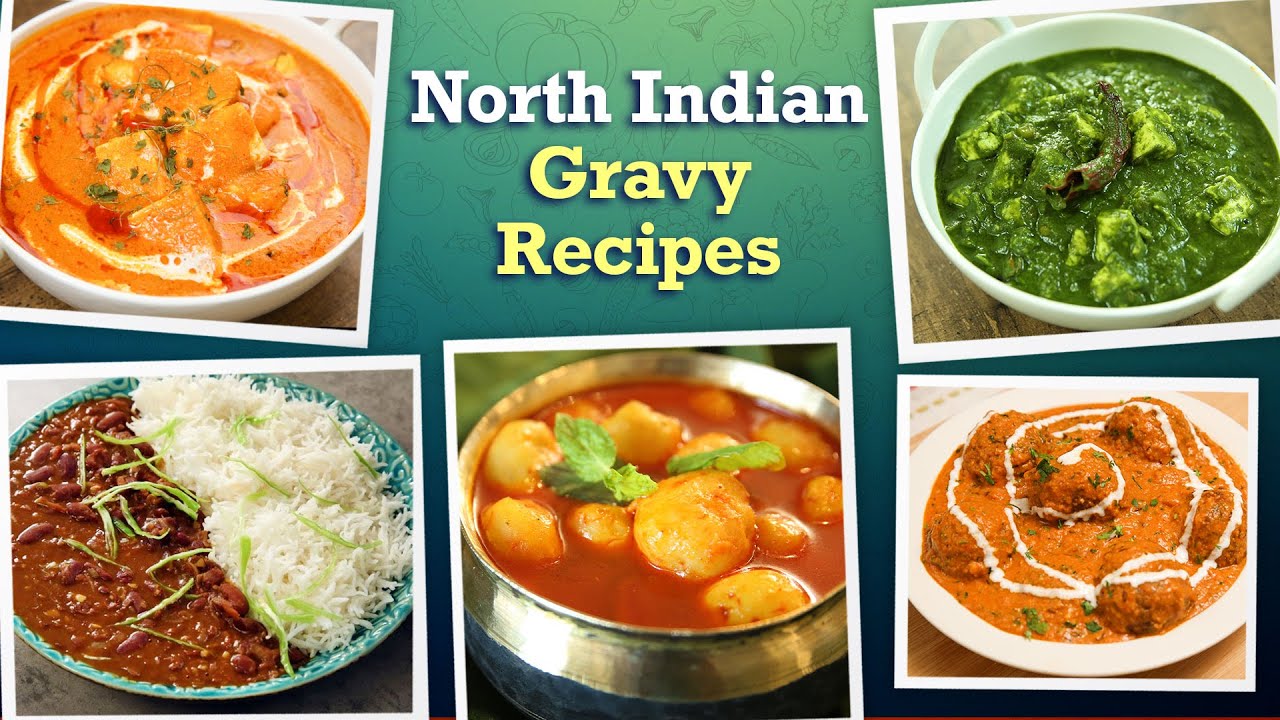
Paneer Butter Masala remains one of the most popular vegetarian dishes worldwide. Soft cubes of paneer cook in a creamy tomato-based gravy enriched with butter and aromatic spices.
Palak Paneer combines fresh spinach with cottage cheese to create a nutritious meal rich in vitamins and protein.
Dal Makhani slowly cooks black lentils and kidney beans until they develop a creamy texture.
Chana Masala transforms chickpeas into a flavorful curry enjoyed with rice or bread.
Rajma Masala remains a comfort food across northern India. Kidney beans simmer in onion-tomato gravy until perfectly tender.
Aloo Gobi blends potatoes and cauliflower with cumin, turmeric, coriander, and fresh herbs.
Bhindi Masala features sautéed okra cooked with onions, tomatoes, and mild spices.
Baingan Bharta uses roasted eggplant mashed with onions, tomatoes, garlic, and coriander.
Kadhi Pakora combines gram flour dumplings with yogurt curry for a comforting meal.
Seasonal vegetables ensure that vegetarian meals remain diverse throughout the year.
Popular Non-Vegetarian Dishes in North Indian Cuisine
Non-vegetarian recipes hold an equally important place in North Indian cuisine, especially in regions influenced by Mughal and Awadhi traditions.
Butter Chicken is arguably India’s most famous chicken dish. Marinated chicken cooked in the tandoor is finished in a rich buttery tomato gravy.
Chicken Tikka consists of yogurt-marinated chicken grilled until smoky and tender.
Tandoori Chicken remains a classic example of clay oven cooking.
Mutton Rogan Josh, originating from Kashmir, combines tender meat with aromatic spices and yogurt.
Nihari is a slow-cooked meat stew traditionally enjoyed for breakfast.
Chicken Biryani layers fragrant basmati rice with marinated chicken, saffron, herbs, and whole spices.
Seekh Kebabs are made from minced meat mixed with herbs and grilled over charcoal.
Galouti Kebabs from Lucknow are celebrated for their incredibly soft texture.
Many of these dishes originated in royal kitchens and continue to represent the luxurious side of North Indian cuisine.
Traditional Desserts in North Indian Cuisine
No meal feels complete without dessert in North Indian cuisine. Indian sweets showcase the country’s love for milk, sugar, nuts, and aromatic spices.
Gulab Jamun remains one of the most beloved desserts. Soft milk solids are fried until golden before soaking in fragrant sugar syrup flavored with cardamom.
Rasgulla offers light and spongy cheese balls immersed in sweet syrup.
Rasmalai combines flattened paneer dumplings with chilled saffron-flavored milk.
Jalebi features crispy spiral-shaped sweets dipped in sugar syrup.
Kheer is a creamy rice pudding prepared with milk, sugar, cardamom, and dry fruits.
Gajar Ka Halwa transforms winter carrots into a rich dessert cooked with milk, ghee, and nuts.
Moong Dal Halwa is another festive favorite.
Barfi comes in numerous varieties including coconut, pistachio, cashew, and chocolate.
Ladoo appears during festivals, weddings, and religious celebrations.
Many sweets are handcrafted using traditional family recipes preserved for generations.
Popular Beverages Served with North Indian Cuisine
Traditional beverages perfectly complement North Indian cuisine.
Sweet Lassi remains one of Punjab’s signature drinks. Thick yogurt blended with sugar creates a refreshing beverage.
Salted Lassi offers a lighter alternative flavored with roasted cumin.
Mango Lassi combines yogurt with ripe mango pulp.
Masala Chai accompanies breakfast and evening snacks across northern India.
Kesar Milk contains saffron, almonds, pistachios, and cardamom.
Badam Milk provides extra nutrition through almonds and spices.
Fresh sugarcane juice is widely available during summer.
Traditional buttermilk helps balance rich meals while aiding digestion.
Festival Foods in North Indian Cuisine
Festivals greatly influence North Indian cuisine, with every celebration featuring special dishes.
Diwali tables include laddoo, barfi, gulab jamun, kaju katli, and namkeen snacks.
Holi is famous for gujiya, thandai, malpua, and dahi bhalla.
Lohri celebrations often feature makki ki roti, sarson ka saag, peanuts, jaggery, and sesame sweets.
Raksha Bandhan includes numerous homemade desserts prepared with milk and dry fruits.
Eid celebrations showcase biryani, kebabs, seviyan, and rich meat dishes.
Wedding feasts frequently include elaborate buffets featuring dozens of regional specialties.
Festival foods preserve cultural identity while strengthening family traditions.
Traditional Dining Etiquette in North Indian Cuisine
Dining customs remain an important part of North Indian cuisine.
Guests are treated with exceptional hospitality. Offering food generously symbolizes respect and warmth.
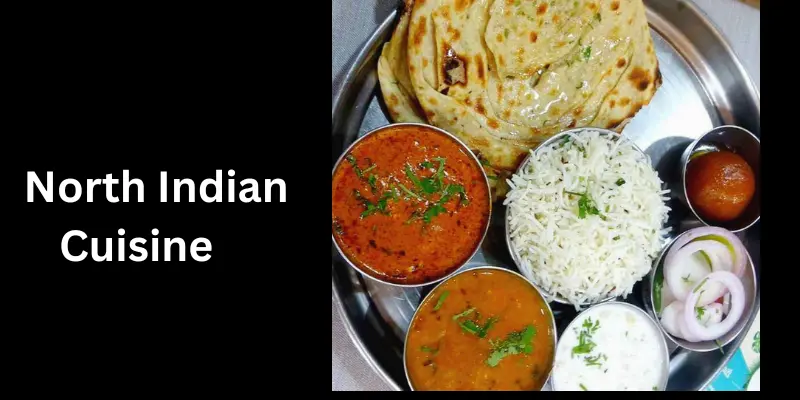
Many families still serve meals on stainless steel thalis containing bread, rice, vegetables, lentils, yogurt, pickles, and dessert.
Traditionally, food is eaten with the right hand, although spoons and forks are widely available.
Fresh bread is usually served throughout the meal rather than all at once.
Desserts often conclude festive meals.
Sharing food with family members strengthens relationships and reflects Indian values of togetherness.
Health Benefits of North Indian Cuisine
Although many restaurant dishes are rich and indulgent, authentic home-style North Indian cuisine can be highly nutritious.
Whole wheat breads provide fiber.
Lentils and legumes offer excellent plant-based protein.
Seasonal vegetables contribute vitamins, minerals, and antioxidants.
Yogurt supports digestive health.
Turmeric contains curcumin, known for its antioxidant properties.
Ginger and garlic contribute natural compounds associated with immune support.
Fresh herbs enhance nutrition while improving flavor.
Balanced meals consisting of vegetables, pulses, grains, and dairy provide complete nourishment for many households.
Best Places to Experience Authentic North Indian Cuisine
Travelers seeking authentic North Indian cuisine should explore different regions because each offers distinctive culinary traditions.
Delhi combines street food with historic Mughlai restaurants.
Amritsar is famous for traditional Punjabi meals, tandoori dishes, and stuffed kulchas.
Lucknow remains the heart of Awadhi cooking and legendary kebabs.
Jaipur introduces travelers to royal Rajasthani recipes.
Varanasi offers centuries-old vegetarian specialties and traditional sweets.
Srinagar showcases Kashmiri cuisine enriched with saffron, dry fruits, and aromatic spices.
Shimla and nearby mountain towns provide wholesome regional dishes prepared using local produce.
Visiting local markets, family-run restaurants, and traditional eateries provides the most authentic food experiences.
Travel Tips for Enjoying North Indian Cuisine
Travelers can enjoy North Indian cuisine even more by following a few practical suggestions.
Choose busy restaurants where food turnover is high.
Sample regional specialties unique to each destination.
Ask about spice levels before ordering.
Pair rich curries with yogurt or lassi.
Try freshly baked breads directly from the tandoor.
Drink bottled or purified water during travel.
Leave room for traditional desserts.
Respect local customs when dining with Indian families.
Explore both fine dining restaurants and reputable street food vendors to experience the full diversity of regional cuisine.
Frequently Asked Questions About North Indian Cuisine
What makes North Indian cuisine different from South Indian cuisine?
North Indian cuisine primarily uses wheat-based breads, dairy products, creamy gravies, and garam masala, while South Indian cuisine often emphasizes rice, coconut, curry leaves, tamarind, and lighter preparations.
Is North Indian cuisine always spicy?
No. Many dishes are aromatic rather than extremely hot. Spice levels vary by region and personal preference.
Which bread is most popular in North Indian cuisine?
Roti is the most common everyday bread, while naan, paratha, kulcha, and puri are popular for restaurants and special occasions.
Is North Indian cuisine suitable for vegetarians?
Yes. North Indian cuisine offers one of the world’s largest selections of vegetarian dishes made with paneer, vegetables, lentils, legumes, and dairy.
Which dessert should first-time visitors try?
Gulab Jamun, Rasmalai, Jalebi, Kheer, and Gajar Ka Halwa are excellent introductions to traditional Indian sweets.
Conclusion
North Indian cuisine represents far more than a collection of recipes. It reflects centuries of history, regional diversity, agricultural traditions, cultural celebrations, and family heritage. From the rich curries of Punjab to the royal delicacies of Lucknow, from the flavorful vegetarian dishes of Rajasthan to the aromatic specialties of Kashmir, every destination contributes something unique to India’s remarkable culinary landscape.
The widespread popularity of North Indian cuisine comes from its balance of flavors, generous use of fresh ingredients, diverse vegetarian and non-vegetarian options, world-famous breads, fragrant rice dishes, refreshing beverages, and irresistible desserts. Traditional cooking methods such as tandoor baking and slow simmering continue to preserve authentic flavors while inspiring modern chefs around the world.
Whether you are planning your first visit to India, exploring regional food cultures, or simply looking to prepare authentic Indian meals at home, North Indian cuisine offers an unforgettable culinary journey. Every meal tells a story of hospitality, tradition, craftsmanship, and shared celebration, making it one of the world’s most admired and enduring food traditions.






- Be Respectful
- Stay Relevant
- Stay Positive
- True Feedback
- Encourage Discussion
- Avoid Spamming
- No Fake News
- Don't Copy-Paste
- No Personal Attacks
- Be Respectful
- Stay Relevant
- Stay Positive
- True Feedback
- Encourage Discussion
- Avoid Spamming
- No Fake News
- Don't Copy-Paste
- No Personal Attacks
