South Indian Cuisine: A Complete Guide to Traditional Dishes, Regional Flavors, and Food Culture
Published: 07 Jul 2026
South Indian cuisine is one of the world’s oldest and most diverse culinary traditions. Known for its rich flavors, aromatic spices, healthy ingredients, and time-honored cooking methods, it reflects the culture and heritage of five Indian states—Tamil Nadu, Kerala, Karnataka, Andhra Pradesh, and Telangana—as well as the Union Territory of Puducherry. Every region contributes unique recipes, local ingredients, and cooking styles that make South Indian cuisine an unforgettable experience for travelers and food enthusiasts alike. The article North Indian Cuisine pro vides much information regarding Northern cuisine of India. To get information regarding West Indian cuisine di gout the article West Indian Cuisine.
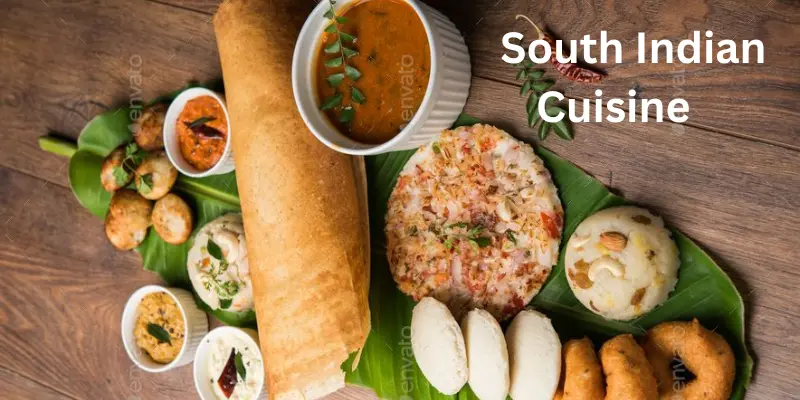
A delicious South Indian cuisine spread featuring popular regional dishes prepared with fresh ingredients, aromatic spices, and traditional cooking methods, showcasing the rich culinary heritage of southern India. To know about local cuisine you may read the article Local Cuisine.
Unlike many other regional food traditions, South Indian cuisine places significant emphasis on rice, lentils, coconut, tamarind, curry leaves, and freshly ground spices. Meals often balance flavors such as spicy, tangy, sweet, salty, and mildly bitter, creating satisfying dishes that appeal to a wide range of tastes. Vegetarian recipes dominate many households, although coastal regions are equally celebrated for seafood specialties featuring fish, prawns, crab, and squid. Explore the article East Indian Cuisine to get information regarding eastern part of India.
For travelers visiting southern India, food is an essential part of the journey. From bustling street food markets to traditional family-run restaurants and luxurious heritage hotels, authentic meals offer insight into centuries-old customs and local hospitality. Dining on a banana leaf, enjoying freshly prepared dosa for breakfast, or tasting aromatic biryani in Hyderabad creates memories that extend beyond sightseeing.
This comprehensive guide explores the history, characteristics, regional specialties, famous dishes, ingredients, and culinary traditions that define South Indian cuisine while helping visitors discover the best flavors throughout southern India. For more delicious cuisine the Best Local Cuisine article is very helpful
What Is South Indian Cuisine?
South Indian cuisine refers to the traditional food culture of southern India, encompassing Tamil Nadu, Kerala, Karnataka, Andhra Pradesh, Telangana, and Puducherry. Each state contributes distinctive recipes while sharing common staples such as rice, lentils, coconut, tamarind, black pepper, curry leaves, mustard seeds, and various aromatic spices.
Many people associate South Indian cuisine with dosa, idli, and sambar. Although these dishes are globally recognized, they represent only a small portion of the region’s culinary diversity. Every state features countless local delicacies prepared according to seasonal availability, cultural traditions, religious customs, and geographical influences.
The tropical climate plays a major role in ingredient selection. Coconut grows abundantly along coastal areas, while fertile agricultural regions produce rice, spices, bananas, mangoes, jackfruit, coffee, and various vegetables throughout the year. Coastal communities rely heavily on seafood, whereas inland regions develop recipes centered around grains, legumes, dairy products, and locally grown vegetables.
Traditional cooking methods remain important across South India. Stone grinders, clay pots, brass utensils, slow cooking, steaming, roasting, and wood-fired kitchens continue to influence authentic flavors despite modern kitchen appliances becoming increasingly common.
South Indian cuisine is admired worldwide because it combines nutrition, flavor, affordability, and cultural authenticity into meals suitable for every occasion.
History and Cultural Heritage of South Indian Cuisine
The roots of South Indian cuisine stretch back thousands of years. Ancient kingdoms including the Cholas, Cheras, Pandyas, Vijayanagara Empire, and Satavahanas contributed to culinary development through trade, agriculture, and cultural exchange.
Maritime trade connected South India with Arabia, Southeast Asia, China, Portugal, and Europe. Merchants introduced ingredients, cooking methods, and spices that gradually became part of regional cooking traditions. Black pepper from Kerala earned global recognition long before many modern spices became internationally traded commodities.
Religious traditions also shaped eating habits. Hindu temples developed elaborate vegetarian recipes prepared as offerings before being distributed among devotees. These temple foods inspired many dishes still enjoyed today.
Islamic rulers contributed rich meat preparations, fragrant rice dishes, and sophisticated spice combinations, particularly in Hyderabad. Portuguese influence introduced ingredients such as chilies, which eventually transformed Indian cooking forever. European settlements also expanded culinary diversity by encouraging new agricultural practices and food preservation techniques.
Despite centuries of outside influence, South Indian cuisine continues to preserve its original identity through family recipes passed down over generations.
Characteristics of South Indian Cuisine
Several features distinguish South Indian cuisine from other regional food traditions across India.
Rice forms the foundation of daily meals. Steamed rice accompanies curries, lentils, vegetables, rasam, and yogurt in most households.
Fermented foods occupy an important place in everyday diets. Idli and dosa batter undergoes natural fermentation, improving flavor, texture, and digestibility.
Fresh coconut appears in multiple forms, including grated coconut, coconut milk, coconut oil, and coconut chutney.
Tamarind contributes pleasant sourness to many curries, rasam, chutneys, and rice preparations.
Curry leaves provide aroma and freshness that define countless recipes.
Mustard seeds, cumin, urad dal, chana dal, dried red chilies, asafoetida, and fresh green chilies create flavorful tempering known as tadka.
Steaming is widely preferred over deep frying for many breakfast dishes, supporting healthier eating habits.
Banana leaves remain a traditional serving method during festivals, weddings, and special occasions. They enhance presentation while reflecting environmental sustainability.
Meals often include multiple components served together, allowing diners to experience different flavors and textures in one sitting.
Regional Variations Across South India
Although united under one culinary identity, South Indian cuisine differs significantly from one state to another.
Tamil Nadu is renowned for dosa varieties, Chettinad cuisine, pongal, filter coffee, and elaborate vegetarian meals served on banana leaves. The Chettinad region produces bold spice blends that have gained international popularity.
Kerala cuisine emphasizes coconut, seafood, tapiam, bananas, black pepper, cardamom, cloves, cinnamon, and traditional Syrian Christian dishes. Appam with stew remains one of the region’s signature combinations.
Karnataka offers remarkable diversity through Udupi cuisine, Mysore specialties, North Karnataka millet dishes, and Coorg’s unique meat preparations. Bisi Bele Bath and Mysore Pak remain iconic regional favorites.
Andhra Pradesh cuisine is widely recognized for its spicy flavors. Gongura leaves, fiery chutneys, pickles, and flavorful biryanis distinguish local cooking traditions.
Telangana combines traditional Telugu recipes with strong Hyderabadi influences. Hyderabadi Biryani, Haleem, Double Ka Meetha, and Mirchi Ka Salan represent culinary excellence appreciated across the world.
Puducherry reflects a fascinating blend of South Indian and French influences, producing unique seafood dishes, baked goods, and colonial-era recipes rarely found elsewhere.
Each region contributes distinctive ingredients, cooking styles, and culinary philosophies that enrich South Indian cuisine.
Essential Ingredients That Define South Indian Cuisine
The exceptional flavors of South Indian cuisine originate from fresh, locally sourced ingredients.
Rice remains the primary grain consumed throughout southern India. Numerous varieties support different cooking techniques, including steamed meals, biryanis, dosas, idlis, and desserts.
Lentils such as toor dal, urad dal, moong dal, and chana dal provide protein while forming the foundation of sambar, rasam, vadas, and numerous curries.
Coconut appears almost everywhere. Fresh coconut enhances chutneys, coconut milk enriches curries, grated coconut complements vegetable dishes, and coconut oil adds distinctive flavor in Kerala cooking.
Tamarind balances spicy flavors with pleasant acidity. Its tangy character defines sambar, rasam, puliyodarai, and several rice dishes.
Spices including turmeric, coriander, cumin, fenugreek, fennel, cinnamon, cloves, cardamom, black pepper, red chilies, and mustard seeds create the aromatic complexity associated with South Indian cuisine.
Fresh herbs such as curry leaves and coriander provide fragrance while improving presentation and nutritional value.
Bananas, jackfruit, mangoes, drumsticks, okra, eggplant, pumpkin, ash gourd, colocasia, yam, and numerous leafy vegetables contribute seasonal variety.
Seafood plays an equally important role in coastal communities where fish, prawns, crab, mussels, and squid are widely available.
Traditional Cooking Techniques in South Indian Cuisine
Authentic South Indian cuisine depends not only on ingredients but also on specialized cooking techniques perfected over centuries.
Fermentation remains one of the most important methods. Naturally fermented batter produces soft idlis and crispy dosas with characteristic flavor and improved digestibility.
Steaming preserves nutrients while creating light, healthy dishes suitable for daily consumption.
Tempering spices in hot oil or ghee releases essential oils that dramatically enhance aroma before ingredients are combined with curries or lentils.
Slow cooking allows spices to blend gradually, creating deeper flavors in gravies and meat preparations.
Stone grinding continues in many traditional households because it produces smoother batters and chutneys than high-speed electric appliances.
Clay pot cooking imparts earthy flavors that many chefs believe cannot be replicated using modern cookware.
Roasting spices before grinding develops richer aromas for masalas used in regional recipes.
These methods continue to preserve the authenticity of South Indian cuisine despite advances in kitchen technology.
Famous South Indian Breakfast Dishes
Breakfast holds a special place in South Indian cuisine, offering nutritious meals prepared fresh every morning.
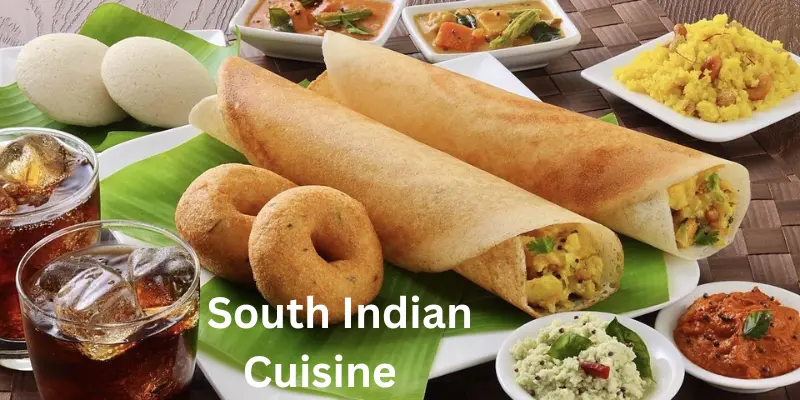
Idli remains among the healthiest breakfast options. Soft steamed rice cakes served with sambar and coconut chutney provide a balanced combination of carbohydrates, protein, and fiber.
Dosa exists in hundreds of variations ranging from plain dosa to masala dosa, paper dosa, rava dosa, onion dosa, ghee roast, and family-sized specialties served in traditional restaurants.
Medu Vada offers crispy lentil fritters with a soft interior, commonly paired with sambar and coconut chutney.
Pongal combines rice and lentils cooked together with black pepper, cumin, ginger, curry leaves, and ghee for a comforting breakfast.
Upma consists of roasted semolina cooked with vegetables, mustard seeds, curry leaves, and mild spices.
Appam, particularly popular in Kerala, features soft centers surrounded by delicate crispy edges. Vegetable stew or chicken stew complements this fermented rice pancake beautifully.
Puttu combines steamed rice flour and grated coconut layered inside cylindrical molds before serving with bananas, chickpea curry, or coconut milk.
These breakfasts highlight the diversity, nutrition, and simplicity that characterize South Indian cuisine.
Popular Rice-Based Meals in South Indian Cuisine
Rice is much more than a staple food in South Indian cuisine. It forms the foundation of everyday meals, festive celebrations, religious offerings, and regional specialties.
Steamed rice accompanies sambar, rasam, curd, vegetables, pickles, papad, and a variety of curries in traditional homes. This balanced combination creates a wholesome meal enjoyed across generations.
Lemon Rice, Tamarind Rice, Coconut Rice, Tomato Rice, and Curd Rice transform plain rice into flavorful dishes suitable for travel, festivals, and quick lunches.
Bisi Bele Bath from Karnataka combines rice, lentils, vegetables, tamarind, and aromatic spices into a hearty one-pot meal.
Hyderabadi Biryani showcases premium basmati rice layered with marinated meat, herbs, saffron, and fragrant spices, making it one of India’s most celebrated rice dishes.
Pulihora remains a festive favorite prepared with tamarind, peanuts, curry leaves, mustard seeds, and dried red chilies.
The remarkable variety of rice preparations demonstrates why South Indian cuisine continues to attract food lovers from around the world.
Vegetarian Specialties in South Indian Cuisine
Vegetarian cooking forms the heart of South Indian cuisine, offering an incredible variety of wholesome meals prepared with fresh vegetables, lentils, grains, spices, and coconut. Many traditional recipes have been perfected over centuries and continue to be served in homes, temples, and restaurants across southern India.
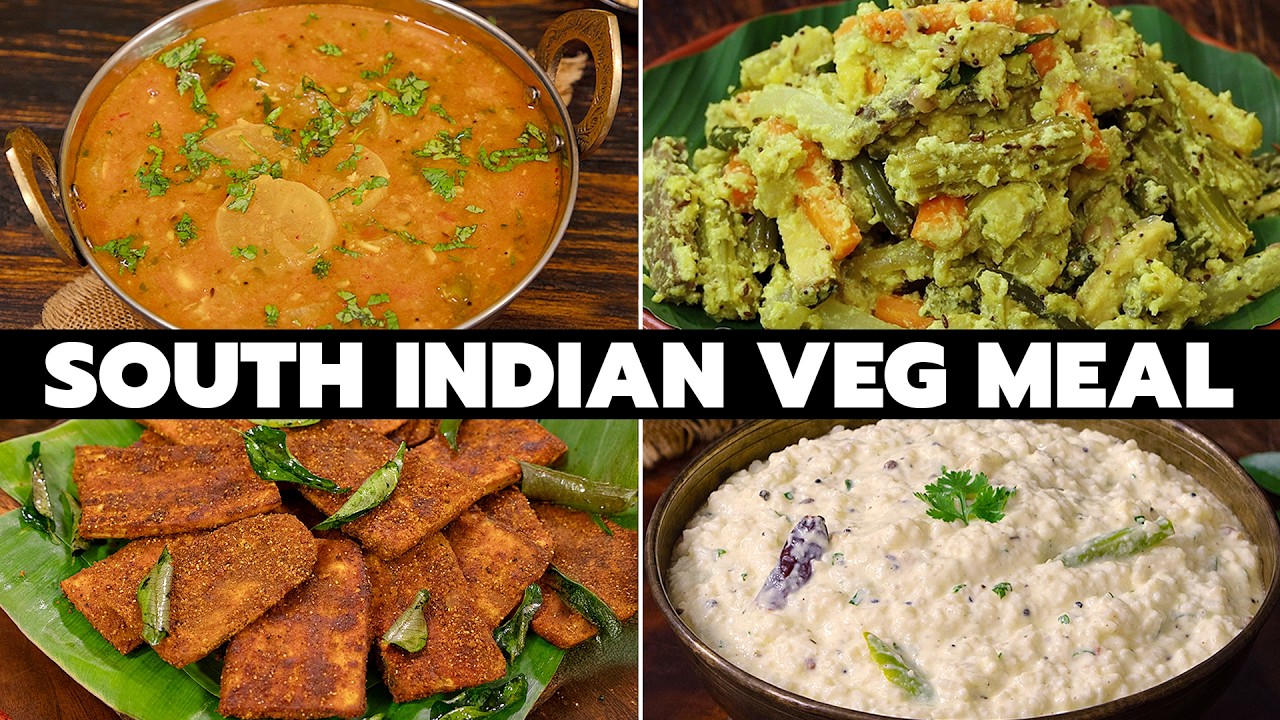
Sambar is one of the most recognizable dishes, made from lentils, tamarind, vegetables, and a carefully balanced spice blend. Every state has its own version, with slight variations in flavor and ingredients.
Rasam is a thin, aromatic soup flavored with tomatoes, tamarind, black pepper, cumin, garlic, and curry leaves. It is commonly enjoyed with rice and is appreciated for its comforting taste.
Avial is a traditional Kerala delicacy consisting of mixed vegetables cooked with coconut, yogurt, curry leaves, and coconut oil. It remains an essential part of festive feasts.
Poriyal refers to lightly stir-fried vegetables seasoned with mustard seeds, urad dal, curry leaves, and grated coconut. Popular choices include beans, cabbage, carrots, beetroot, and okra.
Kootu combines vegetables with lentils and coconut, creating a mildly spiced dish that complements steamed rice.
Thoran, Olan, Pachadi, Pulissery, and Erissery are equally famous vegetable preparations found primarily in Kerala.
Curd rice provides a refreshing finish to traditional meals. Prepared with yogurt, rice, mustard seeds, curry leaves, ginger, and green chilies, it helps balance spicy foods while supporting digestion.
These vegetarian dishes demonstrate that South Indian cuisine delivers exceptional flavor without relying heavily on meat.
Seafood and Non-Vegetarian Specialties in South Indian Cuisine
Coastal regions contribute some of the finest seafood traditions found anywhere in India. Fresh catches from the Arabian Sea, Bay of Bengal, and Indian Ocean inspire recipes rich in spices, coconut, and regional flavors.
Kerala Fish Curry is famous for its vibrant red gravy prepared with coconut, tamarind or kokum, curry leaves, and freshly ground spices. It is traditionally served with steamed rice or appam.
Meen Pollichathu features marinated fish wrapped in banana leaves before being grilled to perfection. This cooking technique locks in moisture while enhancing aroma.
Prawn Curry, Crab Masala, Squid Roast, and Mussel Fry are popular choices throughout Kerala’s coastal communities.
Tamil Nadu offers Chettinad Chicken, one of India’s most celebrated spicy chicken preparations. Freshly roasted spices create its distinctive depth of flavor.
Andhra Pradesh is known for fiery Chicken Curry, Mutton Curry, and Gongura Mutton, where tangy sorrel leaves provide a unique taste.
Hyderabadi Biryani from Telangana remains one of the world’s most famous rice dishes. Premium basmati rice, marinated meat, saffron, herbs, and aromatic spices are layered and cooked slowly using the traditional dum method.
Haleem, originally associated with Hyderabad during Ramadan, has become a year-round favorite among visitors seeking authentic regional flavors.
These dishes illustrate how South Indian cuisine satisfies both vegetarian and non-vegetarian food lovers.
Popular South Indian Street Food
Street food introduces travelers to the vibrant everyday flavors of South Indian cuisine. Markets, railway stations, beaches, and busy city streets offer freshly prepared snacks at affordable prices.
Masala Dosa remains one of the most popular choices. Crispy fermented crepes filled with spiced potatoes are served alongside coconut chutney and hot sambar.
Mini Idlis soaked in sambar provide a comforting snack enjoyed throughout southern India.
Mysore Bonda features deep-fried yogurt-based dumplings with a crisp exterior and soft interior.
Mirchi Bajji, especially popular in Andhra Pradesh and Telangana, consists of large green chilies stuffed, coated with gram flour batter, and fried until golden.
Punugulu are crispy fritters made from fermented dosa batter and served with spicy chutneys.
Kuzhi Paniyaram transforms leftover dosa batter into delicious bite-sized dumplings cooked in specially designed pans.
Parotta with Salna is a favorite evening meal in Tamil Nadu, where flaky layered bread is paired with flavorful curry.
Egg Dosa, Kothu Parotta, Banana Chips, Sundal, and Murukku also attract countless visitors exploring local food markets.
Sampling these street foods allows travelers to experience authentic South Indian cuisine beyond restaurant dining.
Traditional Desserts and Beverages
No exploration of South Indian cuisine is complete without tasting its delightful sweets and refreshing beverages.
Payasam remains one of the oldest desserts in southern India. Prepared with rice, vermicelli, lentils, jaggery, milk, coconut milk, cardamom, and nuts, it is served during festivals and celebrations.
Mysore Pak from Karnataka is famous for its rich texture created from gram flour, ghee, and sugar.
Kesari is a semolina-based sweet flavored with saffron, cardamom, and nuts.
Adhirasam, Kozhukattai, Obbattu, Ariselu, and Unniyappam continue to preserve centuries-old family traditions.
Filter Coffee represents one of South India’s greatest culinary icons. Brewed using finely ground coffee beans and served with frothy milk, it has become an essential part of daily life in Tamil Nadu and Karnataka.
Tender Coconut Water provides natural refreshment throughout tropical regions.
Buttermilk seasoned with ginger, curry leaves, coriander, and green chilies offers a cooling beverage during hot weather.
Fresh fruit juices prepared from mangoes, bananas, pineapples, and jackfruit are equally popular across southern India.
Best Places to Experience Authentic South Indian Cuisine
Travelers seeking authentic South Indian cuisine should explore different regions because every destination showcases unique culinary traditions.
Chennai offers outstanding vegetarian restaurants, traditional tiffin centers, filter coffee houses, and renowned Chettinad dining experiences.
Madurai attracts visitors with its historic eateries serving idli, jigarthanda, kari dosa, and regional specialties.
Kochi combines Kerala seafood, Syrian Christian cuisine, spice-infregnated curries, and multicultural culinary influences.
Thiruvananthapuram showcases traditional Kerala Sadya meals served on banana leaves during festivals and special occasions.
Bengaluru presents a mix of classic Karnataka cuisine and innovative modern restaurants, making it one of India’s leading culinary destinations.
Mysuru is celebrated for Mysore Pak, Bisi Bele Bath, and authentic Karnataka meals.
Hyderabad is internationally recognized for Hyderabadi Biryani, Haleem, kebabs, and rich Mughlai-inspired dishes.
Vijayawada and Visakhapatnam introduce visitors to Andhra Pradesh’s spicy curries, seafood, and flavorful rice preparations.
Exploring these destinations allows travelers to appreciate the remarkable diversity of South Indian cuisine.
Dining Etiquette and Food Culture
Food represents hospitality, family, and tradition throughout southern India.
Many households and traditional restaurants continue serving meals on banana leaves, particularly during weddings, festivals, and religious celebrations. The leaves enhance presentation while remaining environmentally friendly.
Meals are commonly enjoyed while seated together, reflecting the importance of family dining.
Eating with the right hand remains customary in many communities, although cutlery is available in most restaurants.
Traditional meals often begin with rice accompanied by sambar, followed by vegetables, rasam, curd rice, pickles, papad, and dessert.
Guests are frequently encouraged to enjoy second or third servings as a sign of hospitality.
Temple meals and community feasts also play an important role in preserving the cultural heritage of South Indian cuisine.
Respecting local customs enhances every culinary experience.
Travel Tips for Food Lovers Exploring South Indian Cuisine
Travelers can enjoy the best of South Indian cuisine by planning their culinary experiences thoughtfully.
Visit traditional restaurants known for regional specialties rather than relying solely on international food chains.
Sample breakfast dishes early in the morning when restaurants prepare fresh batches of idli, dosa, pongal, and vada.
Explore local markets to discover fresh fruits, spices, sweets, and homemade snacks.
Choose busy eateries where food turnover remains high, ensuring freshness.
If you are sensitive to spicy food, request mild spice levels before ordering.
Carry bottled drinking water while exploring street food markets.
Respect local dining customs, especially when eating in family homes or religious institutions.
Try seasonal specialties because many traditional recipes depend on locally available ingredients.
Combine culinary experiences with visits to spice plantations, coffee estates, fishing villages, and cultural festivals to better understand the origins of South Indian cuisine.
Frequently Asked Questions About South Indian Cuisine
Is South Indian cuisine always vegetarian?
No. While vegetarian dishes are widely popular, seafood, chicken, mutton, and beef are commonly enjoyed in many regions.
What is the most famous South Indian dish?
Masala Dosa, Idli, Sambar, Hyderabadi Biryani, Appam, and Filter Coffee rank among the most internationally recognized dishes.
Is South Indian cuisine healthy?
Many traditional meals include steamed foods, fermented batters, fresh vegetables, lentils, and moderate use of healthy fats, making them nutritionally balanced.
Which state has the spiciest South Indian cuisine?
Andhra Pradesh is generally regarded as the spiciest, although spice levels vary across different regions and households.
What is served on a banana leaf?
Traditional meals often include rice, sambar, rasam, vegetable curries, pickles, papad, yogurt, desserts, and various accompaniments arranged in a customary order.
Conclusion
South Indian cuisine is far more than a collection of famous breakfast dishes. It reflects thousands of years of history, regional diversity, agricultural abundance, and cultural heritage. Every state contributes distinctive recipes shaped by geography, climate, religion, trade, and local traditions.
From crispy dosas and soft idlis to fragrant biryanis, coastal seafood, wholesome vegetarian meals, festive desserts, and world-famous filter coffee, South Indian cuisine offers unforgettable experiences for every traveler. Its emphasis on fresh ingredients, balanced flavors, and traditional cooking methods continues to attract food enthusiasts from around the globe.
Whether you explore the bustling streets of Chennai, the spice markets of Kochi, the royal kitchens of Hyderabad, or the heritage restaurants of Mysuru, every meal reveals another chapter in southern India’s remarkable culinary story. For anyone planning a journey through India, discovering South Indian cuisine is one of the most rewarding ways to experience the region’s culture, hospitality, and timeless traditions.
North Indian Cuisine: Complete Guide to Famous Dishes, Culture, Ingredients, and Traditional Cooking




- Be Respectful
- Stay Relevant
- Stay Positive
- True Feedback
- Encourage Discussion
- Avoid Spamming
- No Fake News
- Don't Copy-Paste
- No Personal Attacks
- Be Respectful
- Stay Relevant
- Stay Positive
- True Feedback
- Encourage Discussion
- Avoid Spamming
- No Fake News
- Don't Copy-Paste
- No Personal Attacks
