East Indian Cuisine: Traditional Dishes, Regional Flavors, Popular Foods & Complete Guide (2026)
Published: 19 Jul 2026
East Indian cuisine represents one of India’s richest culinary traditions, combining centuries-old cooking techniques, fresh local ingredients, and regional specialties. Known for aromatic spices, mustard oil, freshwater fish, rice-based meals, and irresistible sweets, East Indian cuisine offers an unforgettable food experience that reflects the culture and heritage of eastern India. To know about best cuisine dig out the article Best Local Cuisine
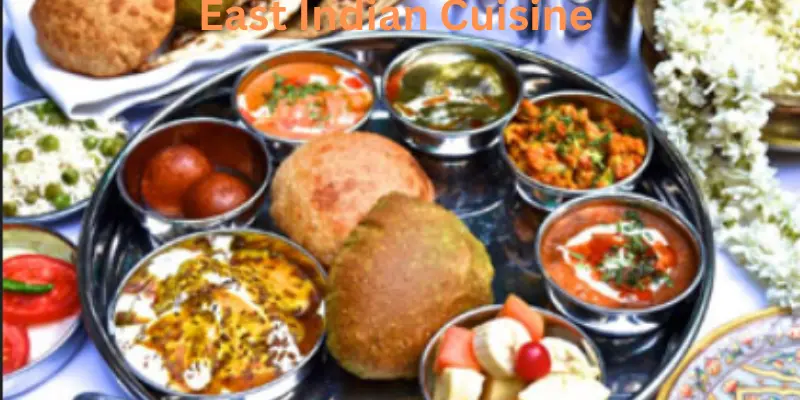
The eastern region includes the states of West Bengal, Odisha, Bihar, Jharkhand, and often the Seven Sister states of Northeast India in broader culinary discussions. Every state contributes unique recipes, cooking styles, and ingredients that make the Local Cuisine remarkably diverse. Seafood dominates coastal regions, while fertile plains produce abundant rice, lentils, vegetables, and fruits. Traditional desserts have also earned worldwide recognition.
Travelers visiting eastern India quickly discover that food is more than nourishment. It is closely connected with festivals, family traditions, religious celebrations, and local customs. Every meal tells a story of history, geography, and generations of culinary knowledge. To get information regarding West Indian cuisine di gout the article West Indian Cuisine.
This complete guide explores East Indian cuisine, famous regional dishes, cooking methods, staple ingredients, traditional sweets, vegetarian specialties, seafood delicacies, street foods, and the cultural importance of eastern India’s culinary heritage. To know about more delicious food read the article North Indian Cuisine
What Is East Indian Cuisine?
East Indian cuisine refers to the traditional food culture of eastern India. It is characterized by balanced flavors, moderate spice levels, generous use of mustard oil, fresh herbs, seasonal vegetables, rice, lentils, seafood, and dairy products.
Unlike some regions where heavy spices dominate, East Indian cuisine emphasizes natural flavors. Fresh ingredients remain the highlight of every recipe. Fish, rice, vegetables, and sweets create the foundation of daily meals across much of the region.
Geography strongly influences regional cooking. Coastal Odisha offers abundant seafood, West Bengal celebrates river fish, Bihar is famous for roasted and wheat-based specialties, while Jharkhand preserves tribal cooking traditions using forest produce and indigenous grains.
Families continue preparing recipes that have been passed down for generations, preserving authenticity despite modern culinary influences. The article South Indian Cuisine provides a lot information regarding many dishes
Why East Indian Cuisine Is Famous Around the World
International recognition of East Indian cuisine continues growing because of its unique balance of flavors and diverse food traditions.
Several characteristics distinguish eastern Indian cooking.
Fresh fish forms an essential part of many meals.
Rice serves as the staple food across most states.
Mustard oil creates a distinctive aroma.
Panch Phoron, a traditional five-spice blend, adds exceptional flavor.
Milk-based sweets rank among the world’s finest desserts.
Seasonal vegetables remain central to everyday meals.
Temple cuisine preserves ancient vegetarian traditions.
The cuisine also accommodates every type of traveler. Whether someone enjoys vegetarian meals, seafood, meat dishes, desserts, or street food, eastern India provides exceptional variety.
States That Shape East Indian Cuisine
Each eastern state contributes unique culinary traditions.
West Bengal
West Bengal is perhaps the most internationally recognized contributor to East Indian cuisine. The state’s food revolves around rice, fish, mustard, poppy seeds, coconut, vegetables, and sweets.
Signature dishes include:
- Macher Jhol
- Shorshe Ilish
- Chingri Malai Curry
- Kosha Mangsho
- Luchi with Aloo Dum
- Mishti Doi
- Rasgulla
- Sandesh
The cuisine combines delicate spices with careful cooking techniques that preserve ingredient freshness.
Odisha
Odisha offers one of India’s oldest culinary traditions. Temple cooking influences many recipes, especially the famous Mahaprasad served at the Jagannath Temple.
Popular foods include:
- Dalma
- Pakhala Bhata
- Chhena Poda
- Santula
- Kanika
- Macha Besara
- Chhena Jhili
Odisha balances vegetarian and seafood recipes while maintaining simple yet flavorful preparations.
Bihar
Bihari food reflects agricultural abundance and traditional village cooking.
Popular dishes include:
- Litti Chokha
- Sattu Paratha
- Dal Pitha
- Khaja
- Malpua
- Kadhi Bari
- Thekua
Roasting, smoking, and slow cooking create earthy flavors that distinguish Bihari cuisine.
Jharkhand
Jharkhand preserves many tribal food traditions.
Staples include:
- Dhuska
- Rugra Mushroom
- Bamboo Shoot Curry
- Chilka Roti
- Handia
- Arsa Roti
Forest vegetables, indigenous grains, and locally grown ingredients define daily meals.
Staple Ingredients Used in East Indian Cuisine
The beauty of East Indian cuisine lies in its use of fresh, locally available ingredients.
Rice remains the primary staple across the region. Several varieties are cultivated depending on climate and soil conditions.
Mustard oil serves as the preferred cooking medium because of its sharp aroma and rich flavor.
Freshwater fish such as Rohu, Hilsa, and Catla appear frequently in traditional meals.
Lentils provide protein and accompany nearly every lunch or dinner.
Vegetables including pumpkin, eggplant, spinach, potatoes, bottle gourd, radish, and jackfruit feature prominently throughout the year.
Coconut enhances curries in coastal areas.
Poppy seeds create creamy gravies.
Mustard seeds contribute heat and depth.
Turmeric provides color and health benefits.
Fresh coriander adds fragrance.
Green chilies introduce controlled spice.
Yogurt appears in curries, marinades, and desserts.
Jaggery sweetens many seasonal delicacies.
These simple ingredients combine to produce incredibly complex flavors.
The Signature Spice Blend in East Indian Cuisine
One ingredient immediately identifies authentic East Indian cuisine.
Panch Phoron.
This famous five-spice mixture consists of:
- Fenugreek seeds
- Nigella seeds
- Fennel seeds
- Black mustard seeds
- Cumin seeds
Unlike powdered spice blends, Panch Phoron is added whole to hot oil, releasing its aroma before vegetables or curries are prepared.
The blend creates a balance of bitterness, sweetness, warmth, and subtle heat without overpowering the natural ingredients.
Many traditional vegetable dishes rely almost entirely on Panch Phoron for seasoning.
Most Popular Traditional Fish Dishes in East Indian Cuisine
Fish occupies a central position in East Indian cuisine, particularly in West Bengal and Odisha.
Macher Jhol
A light fish curry prepared with potatoes, tomatoes, turmeric, and mild spices.
It remains one of the most popular daily meals.
Shorshe Ilish
Hilsa fish cooked in mustard paste.
The bold mustard flavor perfectly complements the rich texture of Hilsa.
Doi Maach
Fish simmered in yogurt gravy with aromatic spices.
Its creamy consistency makes it a favorite during festivals.
Macha Besara
A traditional Odia curry prepared with fish and mustard seed paste.
It combines earthy spices with fresh seafood.
Chingri Malai Curry
Large prawns cooked in creamy coconut milk.
This luxurious dish showcases the coastal influence on eastern Indian cooking.
Fresh seafood remains essential because the recipes rely on natural flavors rather than heavy seasoning.
Best Vegetarian Dishes in East Indian Cuisine
Vegetarian cooking occupies an equally important place in East Indian cuisine. Religious festivals, temple traditions, and seasonal farming contribute to an impressive variety of plant-based meals.
Dalma
One of Odisha’s signature dishes, Dalma combines lentils with seasonal vegetables such as raw banana, pumpkin, papaya, drumsticks, potatoes, and eggplant. Mild spices allow the natural sweetness of vegetables to shine.
Aloo Posto
A beloved Bengali dish prepared with potatoes cooked in a creamy poppy seed paste. Its delicate flavor pairs perfectly with steamed rice.
Shukto
This traditional Bengali mixed vegetable preparation includes bitter gourd, raw banana, potatoes, eggplant, and other vegetables simmered in a lightly spiced gravy. It is often served as the first course of a festive meal.
Santula
A healthy Odia recipe made by lightly cooking mixed vegetables with minimal oil and spices. The dish reflects the simplicity and nutritional balance found in many traditional households.
Ghugni
Prepared using dried yellow peas or white peas, Ghugni is a popular breakfast and evening snack. It is flavored with onions, ginger, garlic, tomatoes, and mild spices.
These vegetarian recipes demonstrate that East Indian cuisine offers exceptional variety beyond seafood and meat.
Traditional East Indian Dishes You Must Try
East Indian cuisine is known for its variety of comforting meals prepared with fresh vegetables, fish, meat, rice, lentils, aromatic spices, and local ingredients. Every state contributes its own specialties, creating one of India’s richest culinary traditions. Many dishes have centuries of history and continue to be served in homes, temples, roadside eateries, and fine-dining restaurants.
Bengali Fish Curry (Macher Jhol)
Macher Jhol is one of the most recognized dishes from West Bengal. Freshwater fish such as Rohu or Katla is lightly fried before being simmered in a thin gravy made with turmeric, cumin, ginger, tomatoes, potatoes, and mustard oil. The curry is served with steamed rice and represents the everyday meal enjoyed by millions of Bengali families.
The use of mustard oil gives the curry its distinctive aroma and flavor. Fresh coriander and green chilies complete the preparation without overpowering the delicate taste of the fish.
Shorshe Ilish
Shorshe Ilish is considered one of Bengal’s signature delicacies. Hilsa fish is cooked in a thick mustard seed paste mixed with turmeric and green chilies. The combination creates a rich, spicy, and slightly pungent flavor that seafood lovers appreciate.
This dish is especially popular during the monsoon season when fresh Hilsa becomes widely available.
Chingri Malai Curry
Chingri Malai Curry combines large prawns with coconut milk, onions, ginger, garlic, and mild spices. Despite its creamy appearance, the curry maintains a balanced spice level that allows the sweetness of the prawns to shine.
It is frequently prepared during weddings, family gatherings, and festive celebrations.
Kosha Mangsho
Kosha Mangsho is a slow-cooked mutton curry prepared with onions, yogurt, tomatoes, garlic, ginger, and whole spices. The meat cooks gradually until tender while the gravy becomes thick and deeply flavorful.
The dish pairs exceptionally well with luchi, paratha, or steamed rice.
Luchi and Aloo Dum
Luchi consists of soft, deep-fried flatbreads made from refined wheat flour. They are commonly served with Aloo Dum, a mildly spicy potato curry flavored with ginger, cumin, cloves, cinnamon, and tomatoes.
This breakfast combination remains a favorite throughout West Bengal.
Mishti Pulao
Mishti Pulao is a fragrant rice preparation made with basmati rice, raisins, cashews, cloves, cinnamon, bay leaves, cardamom, and a touch of sugar. The slightly sweet flavor complements spicy meat curries and festive meals.
Panta Bhat
Panta Bhat is fermented cooked rice soaked overnight in water. It is traditionally eaten with fried fish, onions, green chilies, or mashed potatoes during the hot summer months. The meal provides hydration and is considered refreshing.
Famous Dishes from Odisha
Odisha offers a cuisine that balances simplicity with exceptional flavor. Many dishes reflect temple traditions and emphasize seasonal vegetables, lentils, rice, seafood, and aromatic spices.
Dalma
Dalma is one of Odisha’s most iconic vegetarian dishes. Lentils are cooked together with vegetables such as pumpkin, papaya, eggplant, drumsticks, potatoes, and raw banana. Roasted cumin and ghee provide the finishing touch.
Unlike many Indian curries, Dalma uses very little onion or garlic, making it suitable for temple offerings.
Pakhala Bhata
Pakhala Bhata is fermented rice soaked in water and served chilled. It is commonly accompanied by fried vegetables, mashed potatoes, fried fish, papad, and pickles.
This traditional meal helps people stay cool during Odisha’s hot summers.
Santula
Santula is a healthy mixed vegetable preparation made with boiled vegetables lightly sautéed in mustard oil. The dish contains minimal spices and highlights the natural taste of fresh produce.
Health-conscious families frequently include Santula in their daily meals.
Chhena Poda
Chhena Poda is often called Odisha’s signature dessert. Fresh cottage cheese is mixed with sugar, semolina, cardamom, and nuts before being baked until caramelized.
Its smoky flavor and soft texture make it different from most Indian sweets.
Kanika
Kanika is a sweet fragrant rice dish cooked with clarified butter, raisins, cloves, cinnamon, and cardamom. It is commonly served during festivals and temple celebrations.
Macha Besara
Macha Besara features fish cooked in a mustard-based gravy along with vegetables. The mustard paste creates a bold yet balanced flavor that distinguishes Odisha seafood recipes.
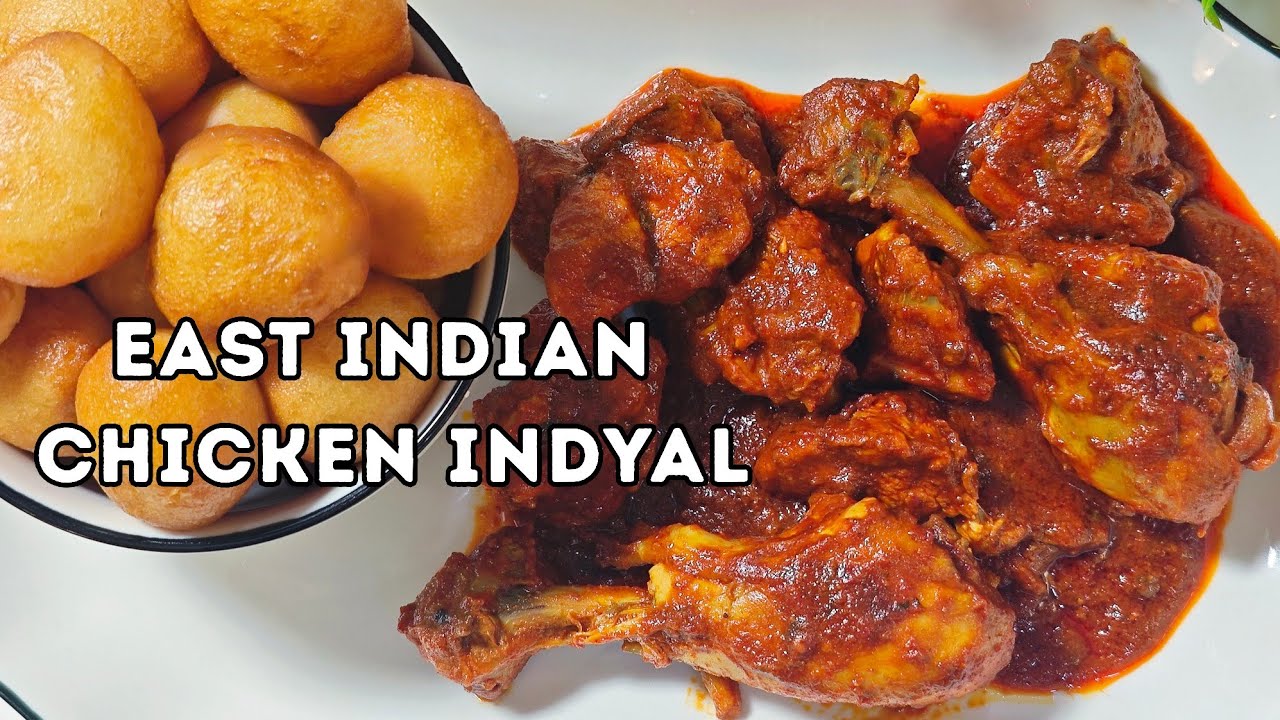
Traditional Foods of Bihar
Bihar’s cuisine focuses on wholesome ingredients, roasted flavors, lentils, gram flour, wheat, mustard oil, and seasonal vegetables.
Litti Chokha
Litti Chokha is Bihar’s most famous dish. Whole wheat balls are stuffed with roasted gram flour (sattu), herbs, mustard oil, garlic, ginger, and spices before being baked over charcoal.
They are served with mashed roasted eggplant, tomatoes, potatoes, and green chilies called Chokha. The smoky flavor makes this one of India’s most distinctive traditional foods.
Sattu Paratha
Sattu Paratha is stuffed with roasted gram flour seasoned with mustard oil, garlic, onion, green chilies, coriander, and lemon juice.
The paratha is filling, nutritious, and ideal for breakfast or lunch.
Khichdi
Bihar’s Khichdi combines rice and lentils with turmeric, cumin, and clarified butter. It is traditionally accompanied by papad, pickle, yogurt, and vegetable curry.
Thekua
Thekua is a deep-fried sweet biscuit prepared with wheat flour, jaggery, coconut, fennel seeds, and cardamom.
It is closely associated with the Chhath festival and remains one of Bihar’s most popular traditional snacks.
Malpua
Malpua is a sweet pancake prepared from flour, milk, fennel, and sugar syrup. The dessert is often served during festivals and family celebrations.
Popular Assamese Cuisine
Assamese cooking emphasizes fresh herbs, river fish, bamboo shoots, fermented ingredients, and mild spices. The cuisine values natural flavors rather than heavy masalas.
Khar
Khar is among Assam’s signature dishes. It is prepared using raw papaya, pulses, vegetables, or meat cooked with an alkaline solution obtained from sun-dried banana peel ash.
The unique preparation gives the dish its distinctive taste.
Masor Tenga
Masor Tenga is a light sour fish curry prepared with tomatoes, lemon, elephant apple, or other local souring agents.
The refreshing flavor makes it particularly popular during summer.
Duck Meat Curry
Duck meat is highly valued in Assamese households. It is commonly cooked with ash gourd, sesame seeds, or bottle gourd using local spices that enhance the meat’s natural richness.
Bamboo Shoot Curry
Fresh bamboo shoots add a unique aroma and slight tanginess to vegetable and meat curries. They remain an essential ingredient in many Assamese recipes.
Pitha
Pitha includes several traditional rice cakes filled with coconut, jaggery, or sesame seeds. These delicacies are especially popular during the Bihu festival.
Authentic Jharkhand Traditional Foods
Jharkhand’s cuisine reflects its forests, tribal heritage, and agricultural traditions. Rice, millet, maize, leafy greens, bamboo shoots, mushrooms, and lentils form the foundation of many local dishes.
Dhuska
Dhuska consists of deep-fried pancakes made from rice and lentil batter. They are served with spicy potato curry or chickpea curry.
Rugra Curry
Rugra is a seasonal wild mushroom found in Jharkhand forests. It is cooked with onions, tomatoes, garlic, and spices to create a rich vegetarian dish.
Chilka Roti
Chilka Roti combines rice flour and lentils into nutritious flatbreads served with chutneys and vegetable curries.
Handia
Handia is a traditional fermented rice beverage prepared by several tribal communities during festivals and social gatherings.
Bamboo Shoot Pickle
Fresh bamboo shoots preserved with mustard oil and spices produce a tangy accompaniment served alongside everyday meals.
Traditional East Indian Street Food
Street food forms an essential part of East Indian cuisine. Local markets offer affordable snacks packed with authentic flavors.
Popular options include:
- Puchka (Golgappa)
- Jhal Muri
- Ghugni
- Kathi Rolls
- Mughlai Paratha
- Singara
- Egg Devil
- Chotpoti
- Aloo Kabli
- Vegetable Chop
These snacks combine crunchy textures, spicy chutneys, tangy tamarind, roasted spices, onions, and fresh herbs, making them favorites among locals and tourists alike.
Traditional Cooking Methods Used in East Indian Cuisine
Many authentic recipes continue to follow time-tested cooking techniques that preserve both flavor and nutritional value.
Traditional methods include:
- Slow cooking over low heat
- Steaming fish wrapped in banana leaves
- Clay pot cooking
- Stone grinding mustard seeds and spices
- Charcoal roasting
- Fermentation of rice
- Sun drying vegetables and spices
- Hand grinding fresh masalas
- Mustard oil tempering
- Gentle simmering of curries
These cooking techniques contribute significantly to the authentic taste that distinguishes East Indian cuisine from other regional Indian food traditions.
Traditional East Indian Desserts and Sweets
East Indian cuisine is incomplete without its remarkable collection of traditional desserts. The region has earned worldwide recognition for milk-based sweets, jaggery delicacies, rice desserts, and festive treats. Many of these recipes have been passed down through generations and remain an essential part of celebrations, weddings, and religious festivals.
Rasgulla
Rasgulla is among the most famous sweets associated with East India. Soft cottage cheese balls are cooked in light sugar syrup until they become spongy and juicy. Although its origin has long been debated, Rasgulla remains an iconic dessert enjoyed throughout the region.
Sandesh
Sandesh is another celebrated Bengali sweet prepared using fresh chhena (cottage cheese), sugar, and cardamom. Modern versions include pistachios, saffron, mango, chocolate, and rose flavors, while traditional recipes focus on the natural richness of fresh milk.
Rasabali
Rasabali is one of Odisha’s most beloved desserts. Flattened chhena patties are fried until golden before being soaked in thickened sweetened milk flavored with cardamom.
Chhena Jhili
Chhena Jhili features fried cottage cheese dumplings dipped in sugar syrup. The dessert offers a crispy exterior with a soft and juicy interior.
Payesh
Payesh is a creamy rice pudding made using milk, rice, sugar or jaggery, cardamom, raisins, and cashews. Families prepare it during birthdays, festivals, and religious ceremonies.
Mihidana and Sitabhog
Originating from Bardhaman in West Bengal, Mihidana consists of tiny fried gram flour pearls soaked in sugar syrup, while Sitabhog combines flavored rice-like sweet strands with miniature fried sweets.
Pitha
Different varieties of Pitha are prepared across Assam, Bihar, Jharkhand, West Bengal, and Odisha. Rice flour forms the base, while fillings include coconut, sesame seeds, jaggery, lentils, and sweetened cottage cheese.
Popular Beverages in East Indian Cuisine
Traditional drinks complement the region’s meals and seasonal climate.
Common beverages include:
- Sweet Lassi
- Masala Chaas
- Fresh Sugarcane Juice
- Lemon Sherbet
- Bel Sharbat
- Rice-based fermented drinks
- Black Tea from Assam
- Darjeeling Tea
- Coconut Water
- Palm Jaggery Drinks
Assam and Darjeeling continue to produce some of the world’s finest teas, making tea an important part of East Indian food culture.
Major Festivals and Their Traditional Foods
Food plays a central role in East India’s cultural celebrations. Every major festival features special recipes prepared according to family traditions and regional customs.
Durga Puja
Durga Puja in West Bengal features Khichuri, Luchi, Labra, Cholar Dal, Mishti Pulao, Kosha Mangsho, fish curries, Sandesh, Rasgulla, and Payesh.
Rath Yatra
Odisha’s Rath Yatra is famous for the Mahaprasad served at the Jagannath Temple. The sacred meal includes rice, Dalma, vegetable curries, Kanika, Khichdi, sweet dishes, and numerous temple preparations.
Bihu
During Assam’s Bihu festival, families prepare Pitha, Laru, rice cakes, fish dishes, duck curry, and traditional sweets.
Chhath Puja
In Bihar and Jharkhand, Chhath Puja features Thekua, rice laddoos, fruits, sugarcane, coconut, and various homemade offerings.
These festivals demonstrate how East Indian cuisine preserves traditions while bringing families and communities together.
Health Benefits of East Indian Cuisine
Traditional East Indian meals often provide balanced nutrition because they combine grains, vegetables, lentils, seafood, dairy products, and natural spices.
Health benefits include:
- Rich source of high-quality protein from fish, lentils, milk, and pulses.
- High dietary fiber from vegetables, whole grains, and legumes.
- Healthy fats from mustard oil used in moderation.
- Essential vitamins and minerals from seasonal fruits and vegetables.
- Natural probiotics through fermented rice dishes.
- Omega-3 fatty acids from freshwater fish.
- Antioxidants from turmeric, ginger, garlic, and mustard seeds.
- Moderate spice levels that allow natural ingredients to remain the focus.
Balanced home-cooked meals contribute to long-term health while preserving authentic regional flavors.
Best Places to Experience Authentic East Indian Cuisine
Travelers exploring East India should experience both home-style cooking and local specialties.
Recommended destinations include:
- Kolkata for Bengali fish curries, sweets, and street food.
- Puri for temple cuisine and seafood.
- Bhubaneswar for traditional Odia meals.
- Cuttack for authentic desserts.
- Patna for Litti Chokha and Bihari cuisine.
- Ranchi for Jharkhand tribal dishes.
- Guwahati for Assamese seafood and duck preparations.
- Darjeeling for tea and Himalayan-inspired cuisine.
Local markets, family-run restaurants, and regional food festivals often provide the most authentic culinary experiences.
Tips for Enjoying East Indian Cuisine
Visitors can enhance their dining experience by following a few simple suggestions.
- Try regional specialties instead of only popular tourist dishes.
- Taste authentic mustard-based fish curries.
- Sample local sweets from traditional sweet shops.
- Explore seasonal seafood preparations.
- Visit local markets for fresh snacks.
- Pair meals with steamed rice for an authentic experience.
- Respect local dining customs during festivals.
- Ask for spice adjustments if necessary.
- Choose freshly prepared food whenever possible.
These tips help travelers appreciate the diversity and authenticity of East Indian culinary traditions.
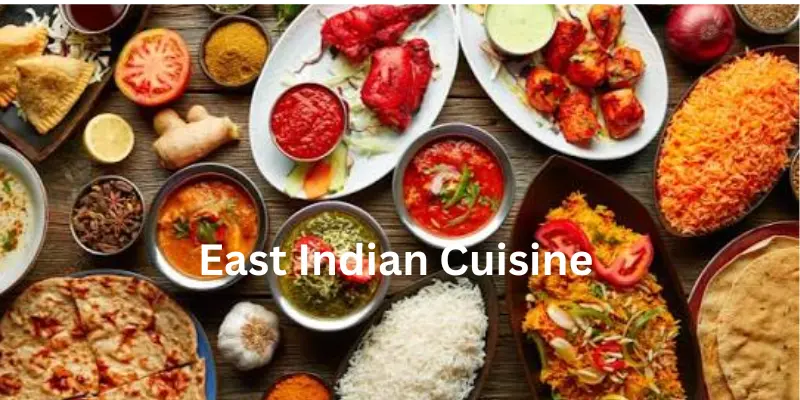
Frequently Asked Questions
What is East Indian cuisine known for?
East Indian cuisine is known for fish curries, rice dishes, mustard-based recipes, seafood, milk sweets, fermented rice, and flavorful vegetarian preparations from West Bengal, Odisha, Bihar, Jharkhand, and Assam.
Which states are included in East Indian cuisine?
The major states include West Bengal, Odisha, Bihar, Jharkhand, and Assam. Some broader definitions may also include neighboring northeastern states depending on the culinary context.
Why is mustard oil commonly used in East Indian cooking?
Mustard oil provides a bold aroma and distinctive flavor that complements fish, vegetables, lentils, and meat dishes. It is a traditional cooking medium across much of Eastern India.
What is the most famous sweet from East India?
Rasgulla, Sandesh, Chhena Poda, Rasabali, and Payesh are among the region’s most famous traditional desserts.
Is East Indian cuisine spicy?
Most East Indian dishes use moderate spice levels. Flavor comes from fresh ingredients, mustard, ginger, garlic, cumin, and local herbs rather than excessive heat.
What is the staple food of East India?
Rice is the primary staple food across most eastern states. It is served with fish curries, lentils, vegetables, meat dishes, and traditional accompaniments.
Conclusion
East Indian cuisine represents one of India’s most diverse and culturally rich culinary traditions. From the mustard-flavored fish curries of West Bengal and the sacred temple foods of Odisha to the smoky Litti Chokha of Bihar, the tribal specialties of Jharkhand, and the fresh river fish dishes of Assam, every region contributes unique flavors and time-honored recipes.
The cuisine reflects centuries of agricultural heritage, local ingredients, seasonal cooking, and cultural celebrations. Fresh seafood, rice, lentils, vegetables, aromatic spices, dairy products, and handcrafted sweets create balanced meals that are both nutritious and deeply satisfying. Whether enjoying traditional home cooking, vibrant street food, or festive delicacies, exploring East Indian cuisine offers an unforgettable journey through the history, culture, and authentic flavors of eastern India.
South Indian Cuisine: A Complete Guide to Traditional Dishes, Regional Flavors, and Food Culture




- Be Respectful
- Stay Relevant
- Stay Positive
- True Feedback
- Encourage Discussion
- Avoid Spamming
- No Fake News
- Don't Copy-Paste
- No Personal Attacks
- Be Respectful
- Stay Relevant
- Stay Positive
- True Feedback
- Encourage Discussion
- Avoid Spamming
- No Fake News
- Don't Copy-Paste
- No Personal Attacks
